
Been There Ornament – Brunei


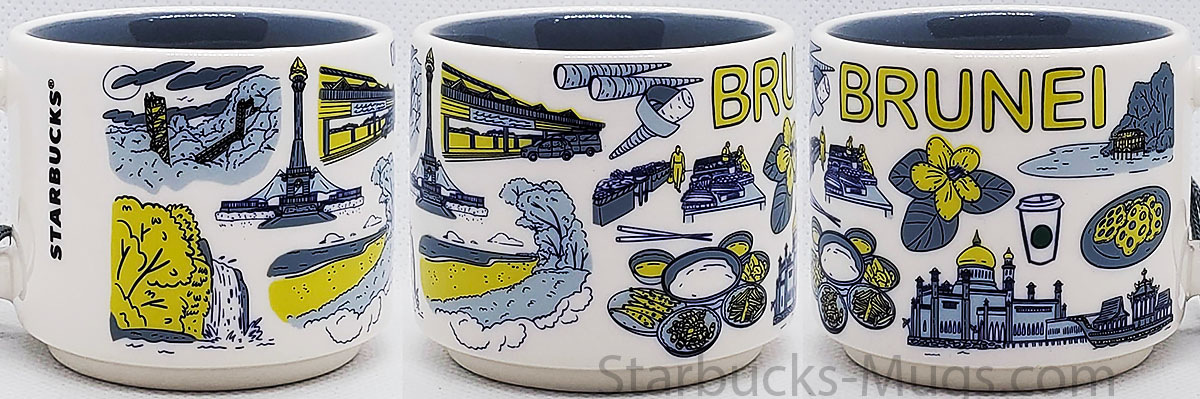
I was lucky to receive the Been There Ornament – Brunei recently. It resembles the design of the full-size mug that we’ve reviewed recently.
Brunei, officially known as the Nation of Brunei, the Abode of Peace, has a history deeply rooted in Malay culture and Islamic traditions. The earliest records of Brunei date back to the 7th century, when it was part of the Srivijaya Empire and later came under the influence of the Majapahit Empire. By the 15th century, Brunei had become a powerful Islamic sultanate under Sultan Bolkiah, extending its influence over much of Borneo and the southern Philippines. The arrival of European powers in Southeast Asia, particularly the Spanish and later the British, gradually reduced Brunei’s territory and influence. In 1888, Brunei became a British protectorate, which lasted until 1984, when it regained full independence under Sultan Hassanal Bolkiah. Today, the monarchy continues to play a central role in the nation’s governance, with the Sultan serving as both head of state and head of government.
Brunei’s economy is one of the wealthiest in Asia, largely driven by its abundant oil and natural gas reserves. The government has invested heavily in infrastructure, education, and social welfare, providing citizens with free healthcare and education. In recent years, the country has also been focusing on economic diversification, promoting sectors such as halal tourism, finance, and technology to reduce dependence on fossil fuels.
It is worth reiterating on Bruneian cuisine, which reflects a blend of Malay, Chinese, and Indonesian influences, offering flavours that are rich, aromatic, and often spiced with coconut milk and herbs. A national favourite is nasi katok, a simple yet delicious dish of rice, fried chicken, and spicy sambal, often enjoyed as a quick and affordable meal. Another popular dish is ambuyat, a sticky sago-based delicacy eaten with a variety of savoury dips, representing traditional Bruneian dining. Street food culture is vibrant, featuring satay skewers, fried noodles, and grilled seafood served at night markets across the country. Desserts such as kuih, colourful bite-sized sweets made from rice flour and pandan, are enjoyed during festive occasions. Tea and coffee are common beverages, but teh tarik – pulled tea with creamy froth—remains a favourite symbol of local hospitality and everyday comfort.