
Been There Ornament – Penang


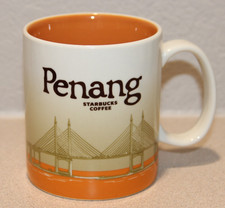
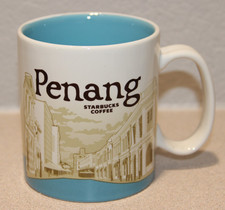
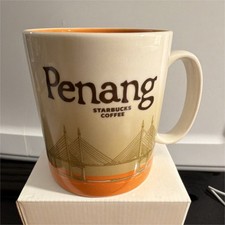
I’m getting closer to completing my collection of mini mugs with this beautiful Been There Ornament Penang that I got from a friend!
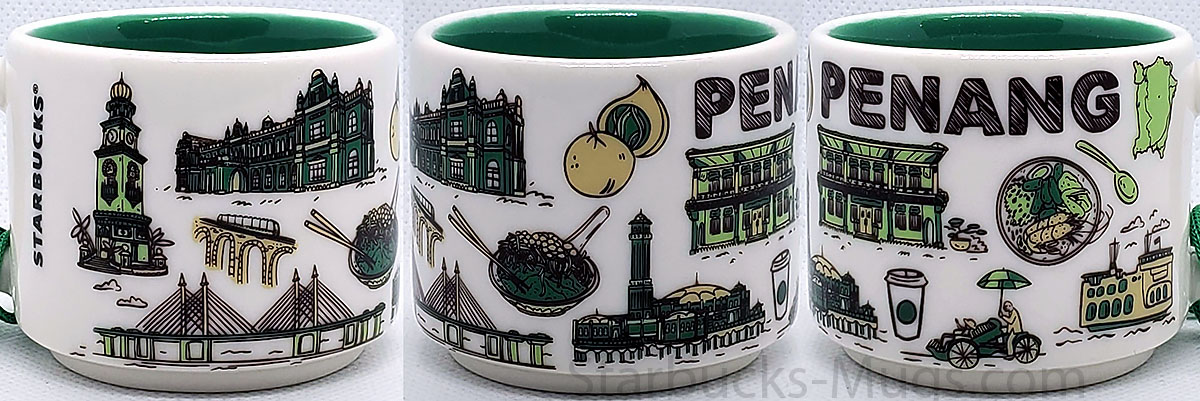
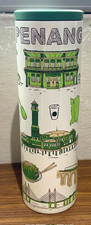
Penang, often called the “Pearl of the Orient,” is a small island with a big story to tell. You can even see the image of the island itself on the front of the mug, shaped like a green gem off Malaysia’s northwest coast. Its modern history began in 1786 when Captain Francis Light of the British East India Company established a trading post here. Over the years, Penang became a crossroads for merchants from China, India, and across Southeast Asia. This mix of influences gave rise to a culture unlike any other in Malaysia, blending heritage, food, and architecture in one vibrant setting. Today, George Town, Penang’s capital, is a UNESCO World Heritage Site, where colonial-era buildings stand beside temples, mosques, and bustling street art scenes.
Here are some landmarks to see and foods to try when in Penang:
– The City Hall and Town Hall buildings on the mug capture Penang’s colonial past. Their grand British architecture, facing the Esplanade, remains one of the island’s most iconic sights. These buildings still serve as gathering places for public events and festivals, linking the present with Penang’s historical legacy.
– The clock tower, known as the Queen Victoria Memorial Clock Tower, was built in 1897 to commemorate the Queen’s Diamond Jubilee. Standing near Fort Cornwallis, it symbolizes Penang’s British heritage and its former importance in the colonial trading network.
– The Penang Bridge, connecting the island to mainland Malaysia, represents progress and modern engineering. Once the longest bridge in Southeast Asia, it is a lifeline for trade, tourism, and daily travel, uniting Penang with the rest of the country.
– Penang is a paradise for food lovers, and the mug highlights its famous dishes. One bowl shows the beloved Char Kway Teow – stir-fried rice noodles with prawns, eggs, and bean sprouts – a must-try street food that defines Penang’s culinary identity. Another bowl likely represents Assam Laksa, a spicy and tangy fish-based noodle soup that perfectly captures the island’s mix of Malay, Chinese, and Indian flavors.
– The image of the durian is a nod to Penang’s reputation as the “King of Fruits” capital. The island’s Balik Pulau region is famous for its rich, creamy durians that attract fans from all over Asia each season.
– The trishaw, a classic mode of transport, remains a charming way to explore George Town. Pedaling through narrow streets lined with shophouses, riders share glimpses of heritage murals, local markets, and hidden food stalls.
– The ferry symbolizes Penang’s traditional gateway to the mainland. For decades, it was the primary link between the island and Butterworth, carrying passengers and vehicles across the Straits of Malacca with scenic views of the sea and skyline.
– The Kapitan Keling Mosque stands as one of Penang’s most recognizable religious landmarks. Built in the early 19th century by Indian Muslim traders, its white domes and graceful arches represent both faith and the multicultural harmony that defines Penang. The mosque remains a central feature of George Town’s heritage trail, welcoming visitors of all backgrounds.