Been There Ornament – Hong Kong


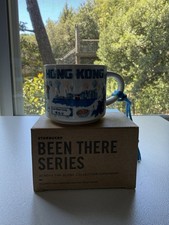
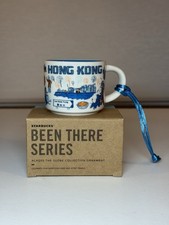
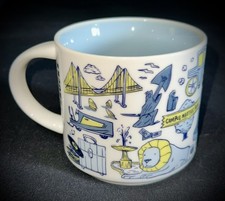
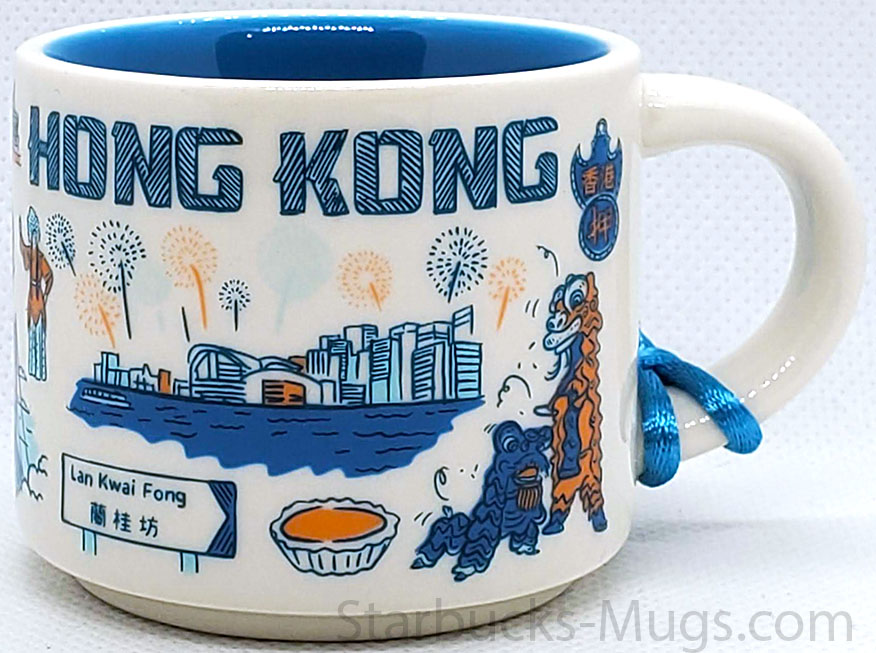
Been There Ornament Hong Kong joins other mini mugs in my collection.
Hong Kong began as a small fishing and farming community before becoming a British colony in 1842 after the First Opium War. Over the next century, it transformed into a major trading port and one of the most important gateways between East and West. In 1997 sovereignty returned to China under the “one country, two systems” framework, which allowed Hong Kong to keep its own legal and economic structures. Its history is shaped by migration, maritime trade, and a long tradition of cultural blending.
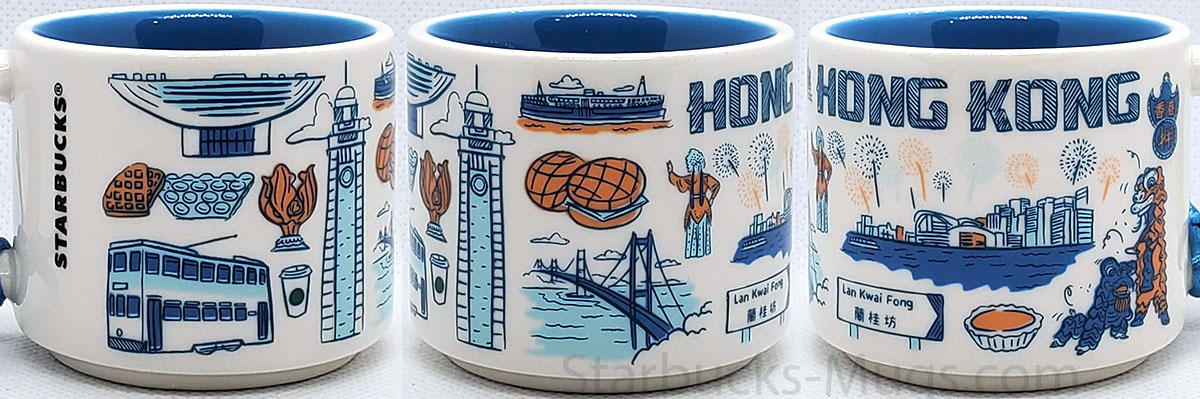
– One of the most recognizable symbols on the ornament is the Star Ferry. These green and white boats have crossed Victoria Harbour for more than a century, connecting Hong Kong Island and Kowloon. The ride is short but beloved, offering some of the best views of the skyline and the surrounding mountains. For both locals and visitors, the Star Ferry represents daily life on the water and the rhythm of the city.
– The Peak Tower appears with its distinctive wok-shaped roof. Perched high on Victoria Peak, it is the main viewpoint overlooking the skyscrapers and the harbor. Reaching it by the Peak Tram is an iconic experience, climbing steep tracks through lush hills. The Peak Tower captures the contrast between urban density and subtropical greenery that makes Hong Kong unique.
– The ornament also includes the former Kowloon-Canton Railway Clock Tower, a historic reminder of the city’s railway era. Completed in 1915, it once marked the terminus of trains traveling deep into mainland China. Today the tower stands near the waterfront as a preserved landmark, linking Hong Kong’s modern skyline to its early days of transport and trade.
– A double-decker tram, sometimes called the “ding ding,” highlights another classic mode of travel. These trams have been running on Hong Kong Island since 1904 and remain one of the most affordable and charming ways to explore the city. Their slow pace offers time to observe markets, neighborhoods, and the daily movement of people.
– The Tsing Ma Bridge is another major symbol in the design. It is one of the world’s longest suspension bridges that carries both road and rail traffic. The bridge connects the city to Lantau Island and Hong Kong International Airport. Its size and engineering reflect the city’s role as a global transportation hub.
– Hong Kong’s famous nightlife district, Lan Kwai Fong, appears as well. This compact area is known for its restaurants, rooftop bars, and lively street gatherings. It represents the social side of the city, where people from around the world come together after work or during festivals.
– Custard egg tart highlights Hong Kong’s culinary traditions. Inspired by both British custard pies and Portuguese pastel de nata, these tarts have become a daily treat in bakeries across the city. Their flaky crust and creamy center capture the blend of influences that define Hong Kong food culture.
– The golden Bauhinia flower sculpture plays an important role in the ornament. This monument stands at the site of the 1997 Handover Ceremony and symbolizes the creation of the Hong Kong Special Administrative Region. The bauhinia flower is also featured on the city’s flag and represents unity and identity.
– The design also includes a traditional lion dance. Lion dances are common during Lunar New Year, business openings, and major celebrations. The dance is meant to bring good fortune, ward off bad spirits, and create a joyful atmosphere. It is a vibrant reminder of the city’s deep cultural traditions.
– Finally, fireworks above the skyline capture one of Hong Kong’s most photographed scenes. Light shows and holiday firework displays reflect the city’s energy and love for celebration. Against the backdrop of tall buildings and the harbor, they show Hong Kong at its brightest and most festive.