Been There Ornament – Malaysia


Strangely enough, Been There Ornament Malaysia was released later than ornaments for some of its cities.
Malaysia’s history is shaped by ancient Malay kingdoms, centuries of maritime trade, and waves of cultural influence from China, India, the Middle East, and Europe. Over time, these interactions formed a vibrant nation where diverse traditions coexist naturally. From the early sultanates to British rule and finally independence in 1957, Malaysia has grown into a country celebrated for harmony, cultural pride, and rapid modern development.
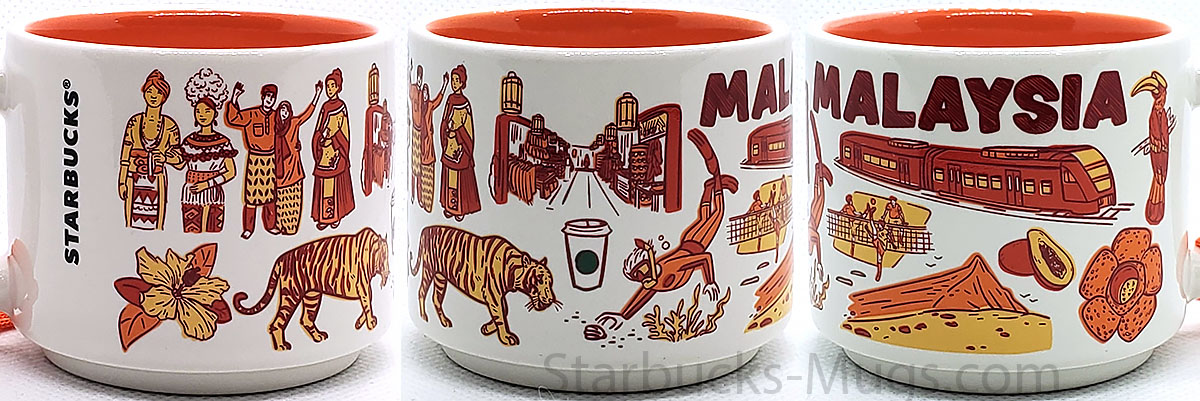
– The ornament features the Baju Melayu, a traditional Malay outfit worn during festivals, weddings, and formal events. This attire reflects cultural heritage and is commonly seen during Hari Raya celebrations, affirming the importance of Malay customs in daily life.
– A key floral emblem appearing in the design is the Chinese hibiscus, Malaysia’s national flower. Bright and bold, the hibiscus symbolizes courage, vitality, and the welcoming nature of the country. It grows widely across Malaysia and appears in art, gardens, and national decorations.
– Malaysia’s wildlife is represented by the Malayan tiger, an animal known for strength and resilience. The tiger has deep cultural significance and appears on national emblems and sports team logos. Its presence also highlights the importance of preserving Malaysia’s rainforest ecosystems.
– The ornament also includes the famous street view of Jonker Street in Melaka. This historic district is known for its vibrant night market, antique shops, and food stalls. The scene captures the multicultural atmosphere that defines Malaysia’s heritage.
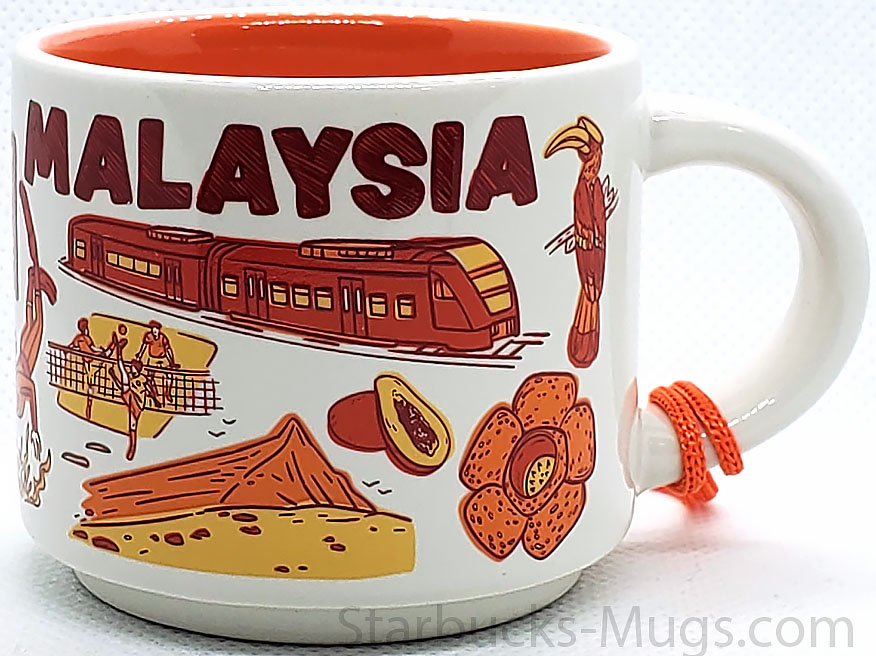
– Another lively detail on the ornament is a group playing Sepak Takraw, a traditional sport that uses a rattan ball and incredible acrobatic skill. The game is popular across Malaysia and Southeast Asia and is known for its fast pace and impressive jumping kicks.
– Modern transportation appears in the form of rail transit, representing Malaysia’s urban growth. Kuala Lumpur’s LRT, MRT, and monorail systems connect neighbourhoods and reflect the country’s rapid modernization.
– A cluster of fruit on the design represents the durian, often known as the king of fruits. Loved for its creamy texture and distinctive aroma, durian plays a big role in Malaysian cuisine and seasonal traditions.
– The ornament includes the hornbill, a culturally important bird especially associated with the indigenous communities of Borneo. It symbolizes strength, community, and a deep respect for nature.
– Malaysia’s iconic natural landmark appears through Mount Kinabalu, one of Southeast Asia’s highest peaks. The mountain is a UNESCO World Heritage Site and draws climbers, nature lovers, and photographers from around the world.
– The mug also shows a diver exploring coral, fish, and underwater plants, an image that reflects Malaysia’s world-class marine biodiversity. Regions like Sabah and the surrounding seas are known for clear water, vibrant coral ecosystems, and unique species that attract divers seeking both adventure and natural beauty.