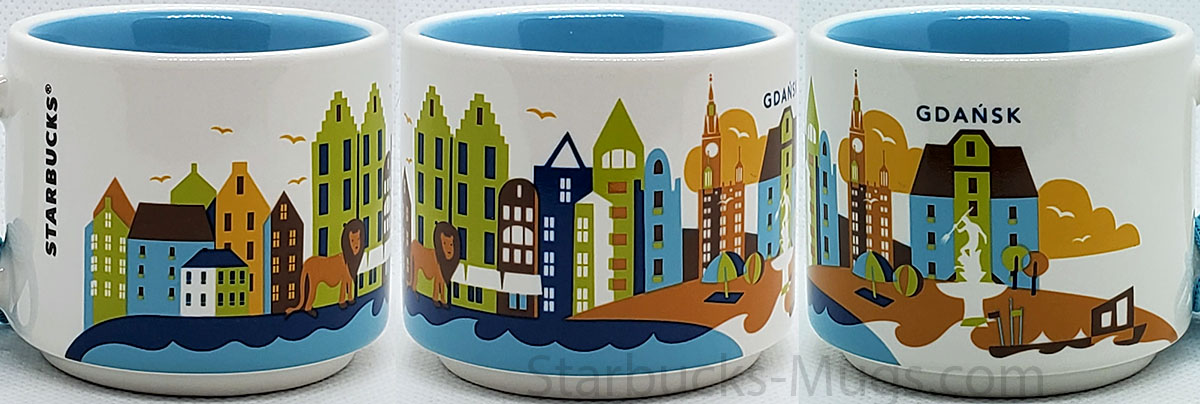
You Are Here Ornament – Gdańsk


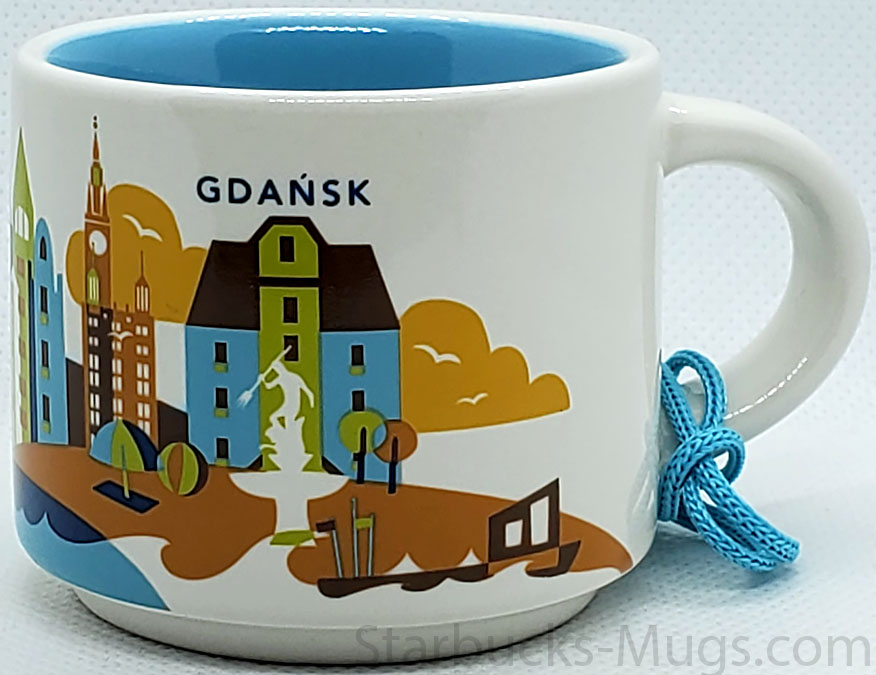
It took me four months to finally get the You Are Here Ornament Gdańsk, but it was well worth it. The best part is – it didn’t come alone. More on that in future posts, stay tuned.
Gdańsk is a historic port city on Poland’s Baltic coast with a past shaped by trade, maritime power, and cultural exchange. For centuries, it played a key role as a member of the Hanseatic League, linking Northern and Central Europe through commerce. Its strategic location brought both prosperity and conflict, leaving behind a rich architectural and cultural legacy. Today, Gdańsk blends seaside landscapes with a beautifully preserved historic core.
This ornament design brings together several symbols and landmarks that reflect the identity and history of Gdańsk.
– Żuraw is one of the city’s most iconic medieval structures. Built in the 15th century, this historic port crane once served both as a cargo-loading machine and a defensive gate. Located along the Motława River, it symbolizes Gdańsks maritime strength and trading heritage. Żuraw remains a lasting reminder of the city’s role as a major Baltic port.
– The sand beaches reflect Gdańsks connection to the Baltic Sea. Wide stretches of light-colored sand extend along the coastline, offering space for relaxation and seaside activities. These beaches are popular year-round, from summer swimming to winter walks. They represent the natural beauty that balances the city’s urban and historic character.
– Gdańsks Main Town along the Motława River showcases the heart of the historic city. Colourful facades, merchant houses, and waterfront walkways line the riverbanks. This area has long been the center of trade, culture, and daily life. It represents Gdańsks architectural charm and centuries-old urban planning.
– Town Hall stands as a symbol of civic pride and self-governance. Dating back to the 14th century, the building features a tall tower and richly decorated interiors. It once served as the seat of city authorities during Gdańsks most prosperous periods. The Town Hall represents leadership, independence, and tradition.
– Lions of Gdańsk appear throughout the city as decorative sculptures and architectural details. Often seen guarding entrances or public spaces, lions symbolize strength, protection, and resilience. They reflect the city’s historic confidence and endurance through changing times. In the design, they add a sense of guardianship and character.
– Neptune’s Fountain at the Długi Targ is one of Gdańsks most recognizable landmarks. Installed in the early 17th century, the statue of the Roman god of the sea reflects the city’s maritime identity. Located in the center of the Long Market, it has long been a gathering point. The fountain represents wealth, seafaring tradition, and civic pride.