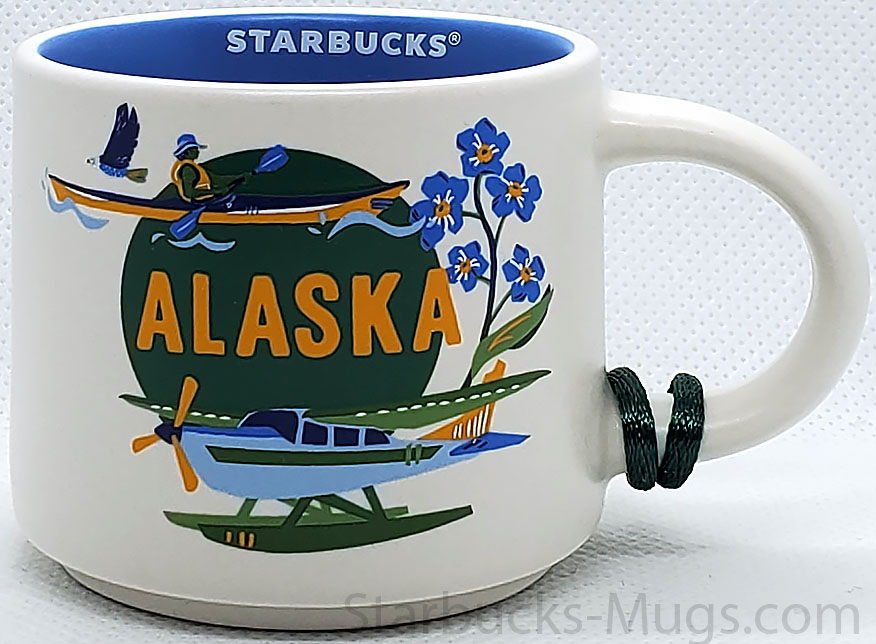
Discovery Series Ornament – Alaska


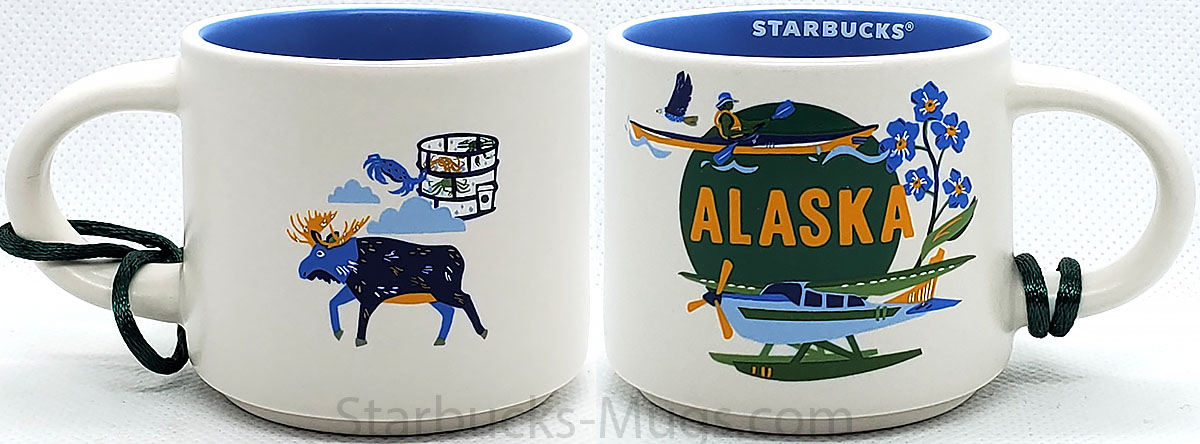
Discovery Series Ornament Alaska is the release for the largest U.S. state, known for its vast wilderness, dramatic landscapes, abundant wildlife, and breathtaking natural beauty.
Alaska joined the United States on January 3, 1959, as the 49th state and the largest by land area, purchased from Russia in 1867 for $7.2 million in what was initially called “Seward’s Folly.” Indigenous peoples, including the Inupiat, Yup’ik, Aleut, Tlingit, and Athabascan, have called this land home for thousands of years before Russian fur traders arrived in the 18th century. The Klondike Gold Rush of the 1890s brought waves of prospectors, while the discovery of oil at Prudhoe Bay in 1968 transformed Alaska’s economy and funded much of the state’s infrastructure. Today, Alaska remains America’s last frontier, a land of stunning wilderness, abundant wildlife, and hardy communities where the midnight sun and northern lights remind residents of their unique place at the edge of the continent.
– Moose roam throughout Alaska as the official state land mammal, with these massive animals standing up to 6.5 feet tall at the shoulder and weighing up to 1,600 pounds. Alaska’s moose are the largest subspecies in the world, commonly encountered on roads, in yards, and throughout wilderness areas across the state. Moose represent Alaska’s abundant wildlife and the wild character that defines daily life in the Last Frontier.
– Fishing sustains Alaska’s economy and culture, with commercial fisheries providing some of the world’s finest salmon, halibut, and other seafood from pristine waters. Sport fishing attracts anglers worldwide to rivers and streams teeming with king salmon, while subsistence fishing remains vital for many rural communities. Fishing represents Alaska’s connection to the sea and the natural bounty that has sustained people for millennia.
– Bush planes serve as essential transportation throughout Alaska, where many communities lack road connections and can only be reached by air or water. Small aircraft equipped with floats or skis land on lakes, rivers, and remote airstrips, making Alaska home to more pilots and planes per capita than anywhere in America. Bush planes represent the ingenuity required to navigate Alaska’s vast distances and challenging terrain.
– Alaskan king crab fishing ranks among the world’s most dangerous and lucrative commercial fishing industries, with crews braving brutal conditions in the Bering Sea to haul massive crabs from icy depths. These prized crustaceans with legs spanning up to 5 feet command premium prices and have been featured in reality television documenting the perilous work. King crab fishing represents Alaska’s tough maritime culture and the high-stakes industries that drive the frontier economy.
– Alpine forget-me-nots blanket Alaska’s mountains and tundra with delicate blue flowers each summer, serving as the official state flower since 1949. These tiny blooms with bright blue petals and yellow centers thrive in harsh alpine conditions where few other plants survive. The alpine forget-me-not represents Alaska’s resilient beauty and the brief but spectacular summer when wildflowers transform the landscape.