Discovery Series Ornament – Nebraska


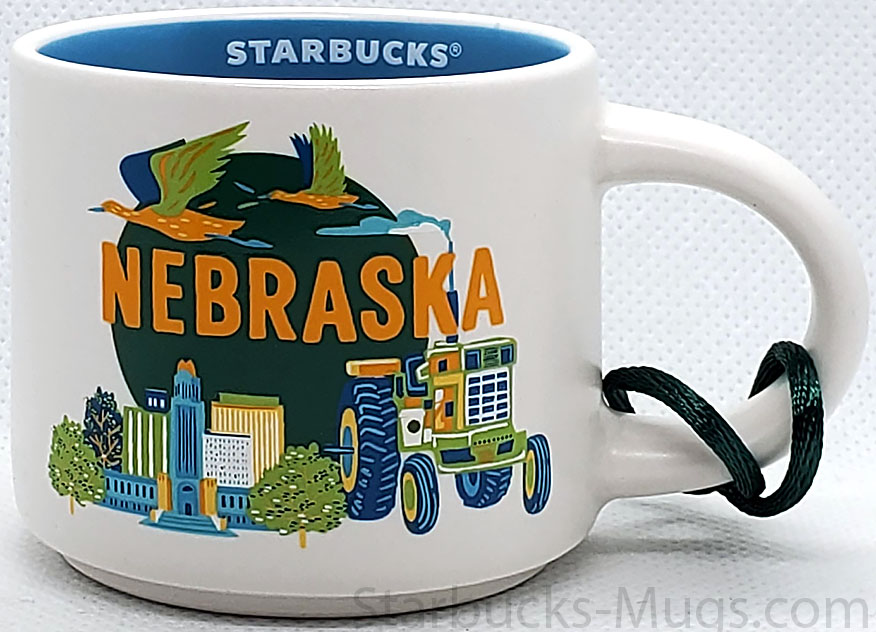
Discovery Series Ornament Nebraska is a mini mug for a State where prairie heritage, pioneer spirit, and agriculture shaped the American heartland.
Nebraska’s history is shaped by its role as a crossroads of westward expansion and agricultural development in the United States. Long before it became a state in 1867, the region was traversed by Indigenous trade routes and later by pioneers travelling the Oregon, California, and Mormon Trails during the mid-1800s. The Platte River Valley served as a natural highway for settlers heading west, while landmarks like Chimney Rock became powerful symbols of both hope and hardship on the frontier. With the passage of the Homestead Act in 1862, thousands of families settled the plains, transforming Nebraska into one of the nation’s most productive farming regions. Railroads soon followed, linking rural communities to national markets and accelerating growth. This blend of frontier perseverance, agricultural innovation, and transportation history continues to define Nebraska’s identity today.
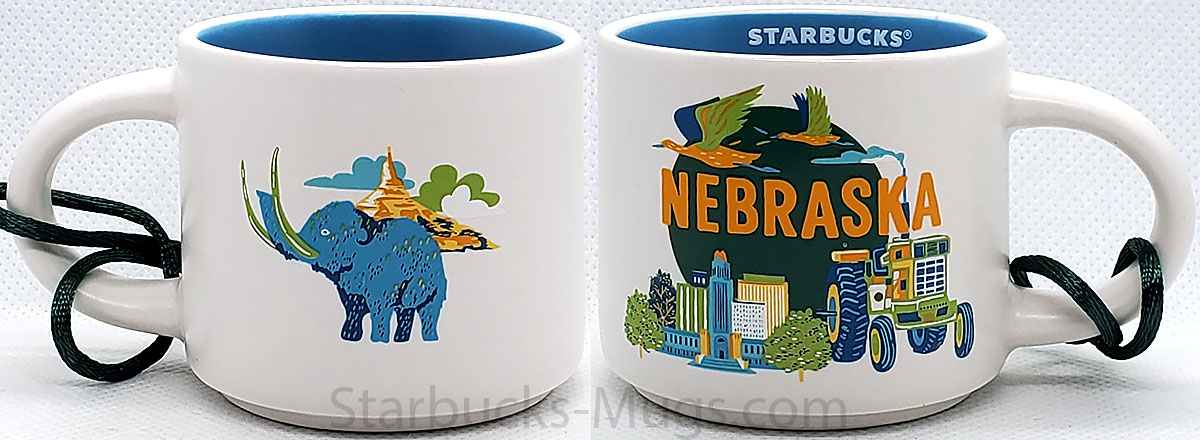
– Lincoln, the state capital, represents Nebraska’s political and cultural heart. Founded in 1856 and designated the capital in 1867, the city grew alongside the expansion of railroads and state institutions. Today, Lincoln is home to the University of Nebraska–Lincoln, which has played a major role in research, athletics, and education across the state. The city’s skyline and civic buildings reflect both its historic roots and its role as a modern center for government and innovation.
– Agriculture lies at the core of Nebraska’s economy and identity, symbolized by the tractor featured in the design. Often called the “Cornhusker State,” Nebraska ranks among the top producers of corn, beef, and soybeans in the United States. Generations of farmers have relied on the fertile plains and advancing technology to sustain large-scale farming operations. Tractors and modern machinery represent not only productivity but also the resilience and adaptability of rural communities across the state.
– Nebraska has a reputation as a premier destination for birdwatching and wildlife migration. It is famously located along the Central Flyway, making it a critical stopover for millions of migratory birds each year. Sandhill cranes, waterfowl, and prairie species gather along the Platte River, especially during spring migration. These seasonal spectacles highlight the state’s rich ecosystems and its importance to North American wildlife.
– The mammoth shown in the design refers to Nebraska’s state fossil, the Columbian mammoth. Fossil discoveries across the state reveal that these massive creatures once roamed the plains thousands of years ago during the Ice Age. Nebraska is unique in having official state fossils representing both mammoths and mastodons, underscoring its significance in paleontological research. These ancient remains connect the modern landscape to a much deeper natural history.
– Chimney Rock stands as one of Nebraska’s most iconic natural landmarks. Rising dramatically from the plains, this geological formation served as a critical visual marker for pioneers travelling west in the 19th century. Many emigrants recorded its appearance in journals, noting it as a sign that they were making progress on long and difficult journeys. Today, Chimney Rock remains a powerful symbol of exploration, endurance, and Nebraska’s place in America’s westward story.