Discovery Series – Twin Cities


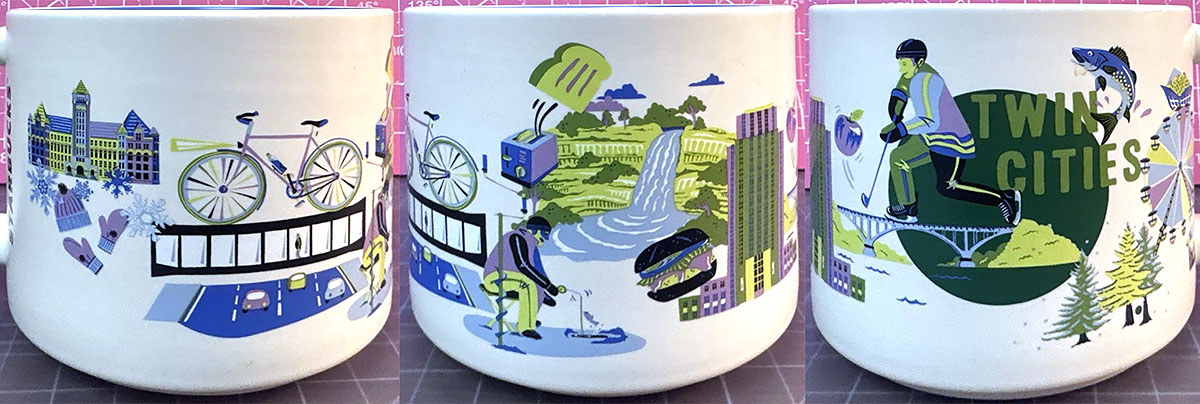
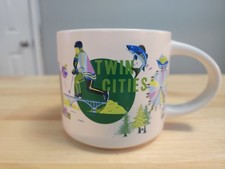
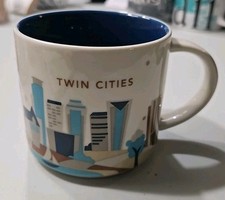
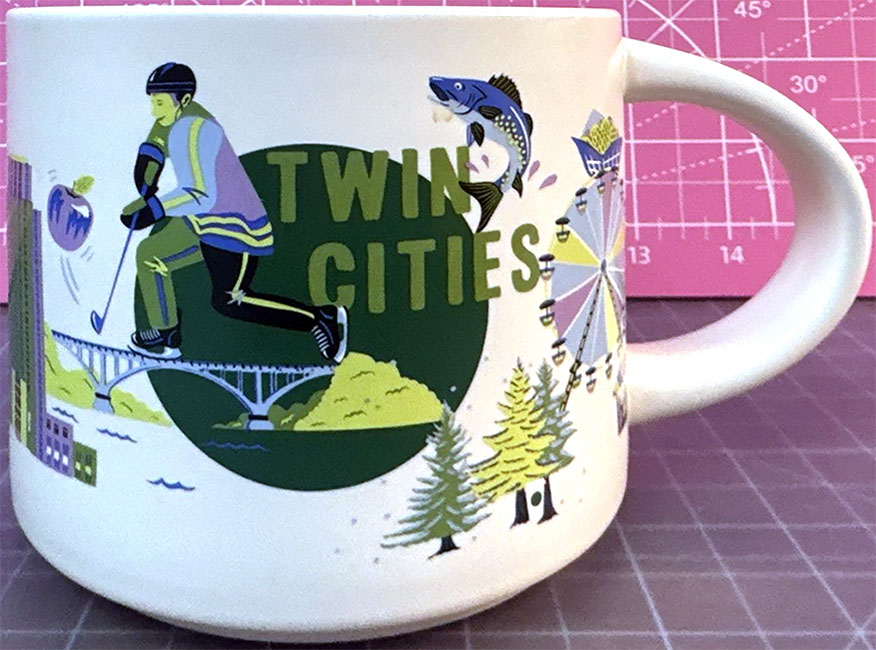
The design of the Discovery Series Twin Cities has many more elements when compared to the ornament for the same city.
The Twin Cities of Minneapolis and Saint Paul form the cultural and economic heart of Minnesota, shaped by rivers, industry, and innovation. Both cities grew rapidly in the mid-19th century as milling, railroad, and river commerce centers along the Mississippi River. Today, the Twin Cities balance historic architecture, natural landmarks, and a strong tradition of creativity and outdoor life.
– The historic Stone Arch Bridge is one of Minneapolis’ most recognizable landmarks. Completed in 1883 for railroad magnate James J. Hill, it originally carried trains serving the flour mills along the river. Now a pedestrian bridge, it offers iconic views of St. Anthony Falls and the downtown skyline.
– Pine trees and forests have long shaped the Twin Cities and the wider Minnesota landscape. The logging boom of the late 1800s helped fuel the region’s early economy, supplying lumber to growing Midwestern cities. Today, forested parks and river corridors remain central to local life.
– The Twin Cities are closely tied to apples, supported by Minnesota’s long apple-growing tradition. The University of Minnesota developed several cold-hardy varieties, including the Honeycrisp, in the 1960s. Apple orchards and fall harvests continue to be a seasonal highlight.
– Hockey plays a defining role in Twin Cities culture. Saint Paul became home to the Minnesota Wild in 2000, while collegiate and high school hockey traditions date back to the early 1900s. The sport remains a source of great regional pride.
– Walleye fishing reflects Minnesota’s strong connection to lakes and rivers. Named the state fish in 1965, the walleye is commonly caught in waters near the Twin Cities. Fishing remains both a recreational tradition and a cultural symbol.
– The Great Big Wheel opened in Saint Paul in 2016 along the Mississippi riverfront. Standing over 150 feet tall, it offers panoramic views of the city and river. The wheel has become a modern landmark for downtown Saint Paul.
– Minnehaha Falls showcases natural beauty within Minneapolis city limits. The waterfall drops approximately 53 feet and flows year-round, even freezing into dramatic ice formations in winter. It was immortalized in Henry Wadsworth Longfellow’s 1855 poem The Song of Hiawatha.
– Minneapolis City Hall anchors downtown with its Romanesque Revival design. Completed in 1906, it features one of the world’s largest four-faced clocks. The building remains an enduring symbol of civic life.
– The extensive skyway system defines downtown Minneapolis. Developed starting in the 1960s, it now spans more than 9 miles, connecting buildings above street level. The system allows pedestrians to move comfortably through the city during harsh winters.
– Local food culture shines through the Juicy Lucy, a burger with melted cheese sealed inside the patty. First popularized in Minneapolis in the 1950s, it is famously claimed by rival bars Matt’s Bar and the 5-8 Club. The dish has become a regional icon.
– Innovation appears through the pop-up toaster, invented by Minnesota-based engineer Charles Strite in 1919. His design prevented bread from burning by automatically ejecting it when done. The invention transformed home kitchens worldwide and highlights the Twin Cities’ legacy of practical innovation.