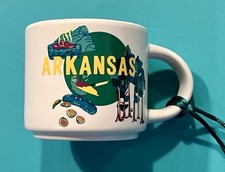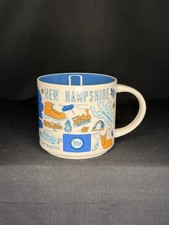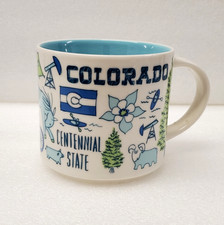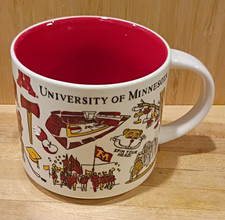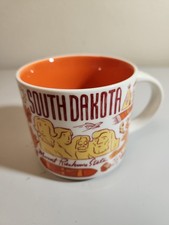
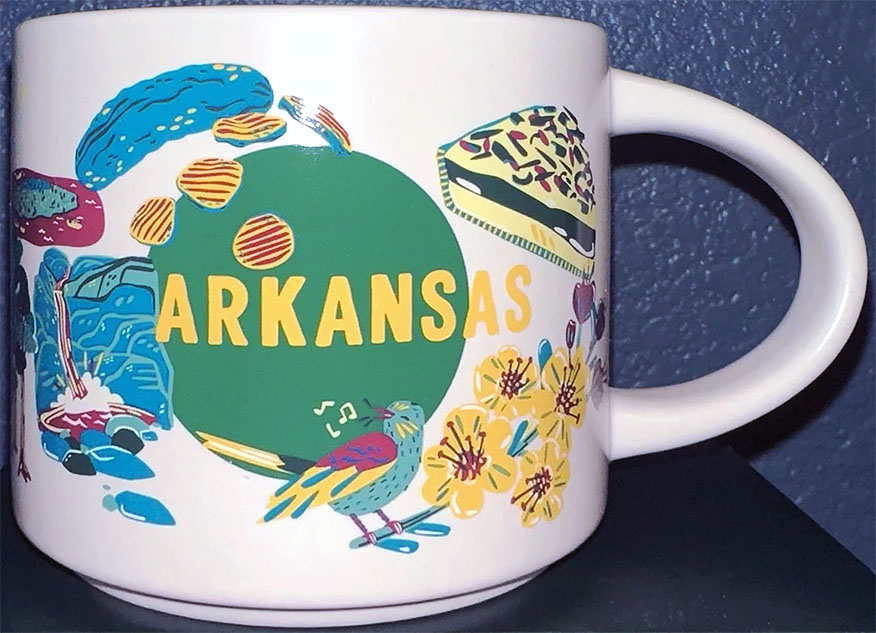
Discovery Series – Arkansas


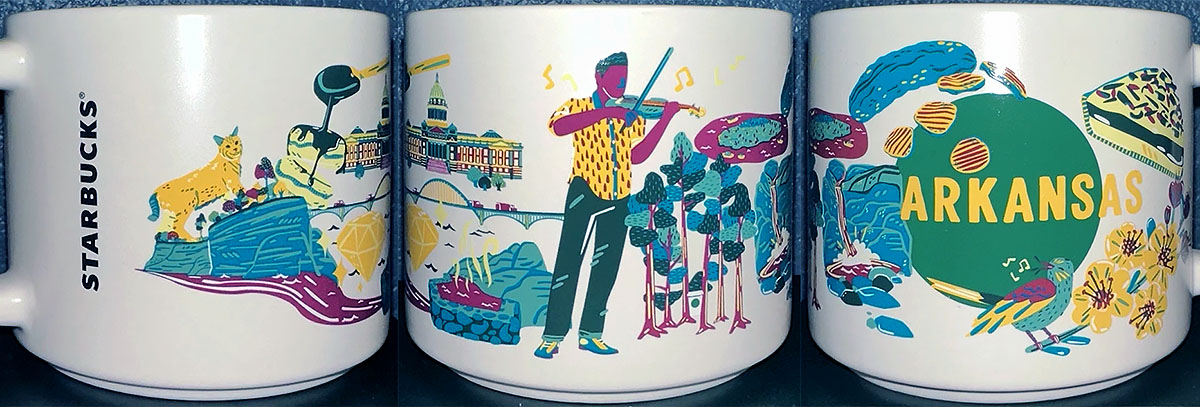
Discovery Series Arkansas is a mug for the “The Natural State”, known for its forests, rivers, and deep roots in folk music and outdoor culture.
Arkansas became the 25th state on June 15, 1836, with a name derived from a French interpretation of a Quapaw Indian word meaning “land of downriver people.” The territory’s early economy relied on cotton plantations in the fertile Delta region and timber harvesting in the mountainous north. The discovery of bauxite deposits brought industrialization during World War II, while the 1957 desegregation crisis at Little Rock Central High School thrust Arkansas into the national spotlight. From the Ozark Mountains to the Mississippi Delta, Arkansas balances natural beauty with agricultural traditions and growing urban centers in Little Rock and Northwest Arkansas.
– Mockingbirds fill Arkansas with their varied songs as the official state bird, recognized for their remarkable ability to mimic other birds and environmental sounds. These gray and white songbirds defend territories vigorously while entertaining listeners with complex melodies. Arkansas designated the mockingbird in 1929, joining several Southern states honoring this talented vocalist.
– Apple blossoms bloom across Arkansas as the official state flower, chosen in 1901 to honor the state’s apple-growing industry. These delicate pink and white flowers appear in spring throughout orchards and wild apple trees. The blossoms celebrate Arkansas’s agricultural heritage and natural springtime beauty.
– Pine trees dominate Arkansas forests as the official state tree, with shortleaf, loblolly, and other species covering millions of forested acres. These evergreens sustained the timber industry for generations while providing wildlife habitat across the Ozark and Ouachita regions. Arkansas designated the pine in 1939 for its economic importance and ubiquitous presence.
– Hot Springs National Park protects 47 thermal springs in the city of Hot Springs, making it unique as a national park surrounding an active urban area. Established as a federal reservation in 1832 and becoming a national park in 1921, the historic bathhouses along Bathhouse Row attracted visitors seeking therapeutic waters for over a century. The park preserves both natural thermal features and elegant early 20th-century spa architecture.
– Ozark and Ouachita Mountains define Arkansas’s rugged terrain, with the Ozarks covering the northern region and the Ouachitas running east-west through the center. These ancient mountains offer hiking, camping, and scenic beauty with limestone bluffs, caves, and dense forests. The highlands distinguish Arkansas from the flat Delta and support tourism, outdoor recreation, and traditional mountain culture.
– Arkansas State Capitol crowns a hill in Little Rock with its gleaming dome and neoclassical design completed in 1915. The building houses the state government while serving as an architectural landmark featuring marble interiors and bronze doors. The Capitol anchors downtown Little Rock and welcomes visitors to tour its historic chambers.
– Fiddles became Arkansas’s official state musical instrument in 1985, honoring folk music traditions brought by Scots-Irish settlers to the Ozark Mountains. Fiddle music accompanied square dances and community gatherings for generations, with styles passed down through families. The instrument connects Arkansas to Appalachian heritage and bluegrass traditions.
– Bobcats prowl Arkansas forests and mountains as elusive predators, though they’re not an official state symbol. These spotted wildcats with distinctive tufted ears hunt throughout diverse habitats from the Ozarks to bottomland forests. Bobcats embody the wild character of Arkansas’s backcountry and thriving wildlife populations.
– Diamonds are found at Crater of Diamonds State Park near Murfreesboro, the only diamond-producing site in North America open to the public. Visitors can
search the 37-acre plowed field and keep any diamonds they find, with notable discoveries including the 40-carat Uncle Sam diamond. Arkansas designated the diamond as the official state gem, celebrating this unique geological treasure.
– Possum pie is a beloved Arkansas dessert featuring layers of cream cheese, chocolate or vanilla pudding, and whipped cream in a pecan crust – no actual possum involved. This rich, no-bake pie appears at church suppers, potlucks, and family gatherings across the state. The whimsically named dessert showcases Southern comfort food traditions and Arkansas’s playful culinary creativity.