Discovery Series Ornament – El Salvador


The Starbucks Discovery Series has taken an important new step by expanding into Central America. The first release showing this change is the Discovery Series Ornament El Salvador. Until now, the series has mainly focused on the United States, so this release clearly shows a wider direction. This expansion suggests that we will soon see dozens of new Discovery Series mugs and ornaments for Central and South American countries.
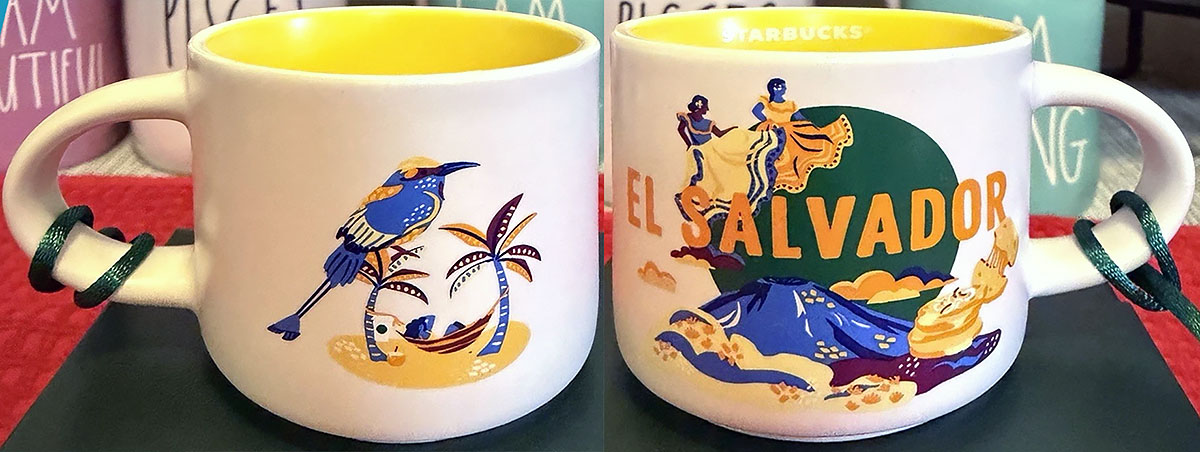
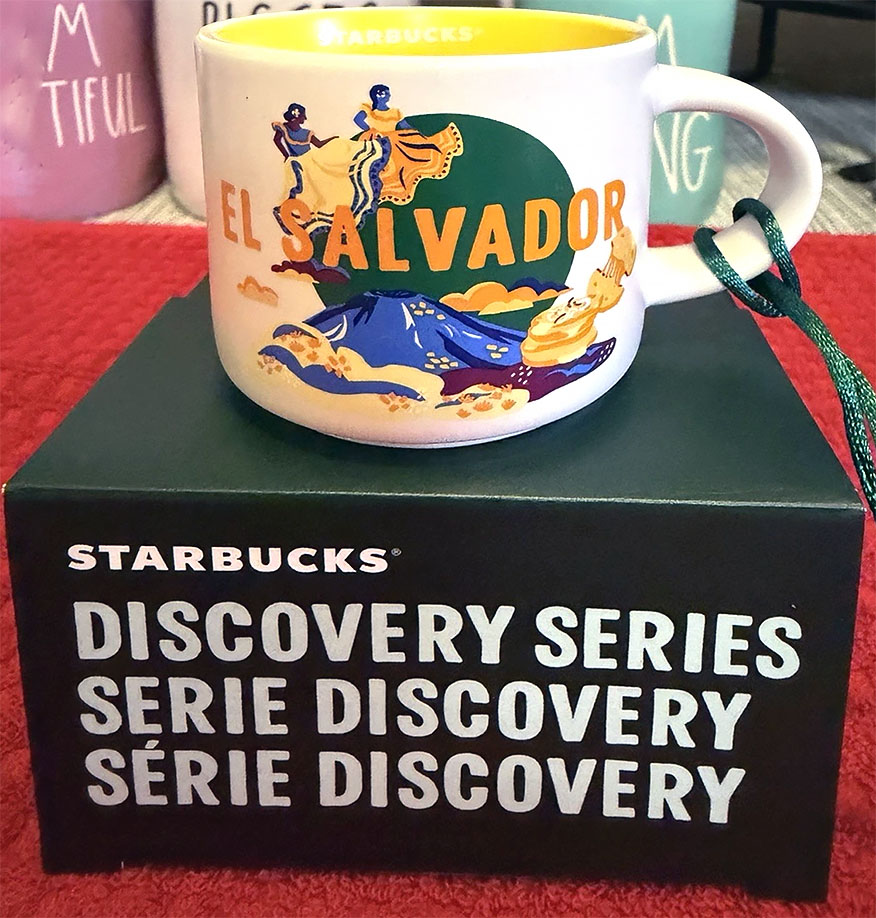
The design of the El Salvador ornament is similar to what we have already seen in Discovery Series releases from the USA. The illustration style, colors, and overall layout follow the same formula, without major surprises. It fits well into the existing collection and feels familiar to collectors who already own U.S. mugs and ornaments. The string is green, matching the usual Discovery Series look.
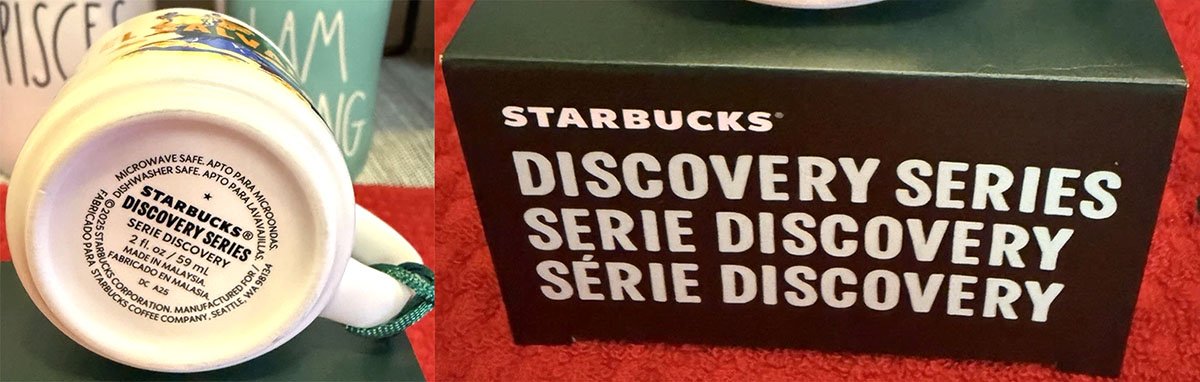
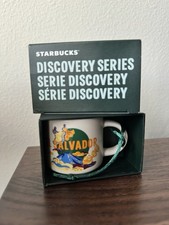
The box design is where we see a more noticeable difference compared to U.S. releases. Instead of English only, the box now shows “Discovery Series” in three languages – English, Spanish, and Portuguese. This change makes sense for a product meant for a broader international market and clearly reflects the series’ expansion into Latin America.
Another interesting detail is the place of manufacturing. These new ornaments and mugs are made in Malaysia, while Discovery Series items for the U.S. market are usually made in China. As soon as I get access to more of these new releases, I plan to do a hands-on comparison between Malaysian-made and Chinese-made ornaments and mugs to see if there are any real differences in quality or finish.
As for the design of the ornament, these are the symbols and landmarks of El Salvador that I was able to spot:
– El Xuc is El Salvador’s traditional folk dance featuring couples in colorful costumes performing rhythmic steps to upbeat music. The dance embodies Salvadoran cultural identity and joy, performed at festivals and celebrations nationwide. El Xuc preserves Indigenous and Spanish influences that blended to create distinctive Salvadoran traditions.
– Pupusas are El Salvador’s most famous dish – thick corn tortillas stuffed with cheese, beans, pork, or loroco (edible flower buds) and griddled until crispy. These hand-made discs are served with curtido (pickled cabbage slaw) and tomato salsa at pupuserías throughout the country and Salvadoran communities worldwide. Pupusas represent Salvadoran culinary identity and the comfort food uniting Salvadorans across borders.
– Volcanoes dominate El Salvador’s landscape, with over 20 volcanic peaks, including active volcanoes like Santa Ana and San Miguel, rising dramatically above towns and coffee plantations. The volcanic soil creates fertile agricultural land while the dramatic cones define the country’s topography. Volcanoes represent both the natural beauty and geological instability shaping Salvadoran life.
– Turquoise-browed motmot is El Salvador’s national bird, recognized by its brilliant turquoise and green plumage and distinctive tail feathers with racket-shaped tips. These striking birds inhabit forests and gardens throughout the country, often seen perched while making soft hooting calls. The motmot, called “torogoz” locally, symbolizes El Salvador’s tropical biodiversity and natural heritage.
– Beaches stretch along El Salvador’s Pacific coast, offering black sand shores, world-class surf breaks, and coastal towns like El Tunco and La Libertad. Consistent swells attract surfers internationally while locals enjoy weekend beach escapes from inland cities. The coastline provides both economic opportunities through tourism and natural beauty, defining El Salvador’s western border.