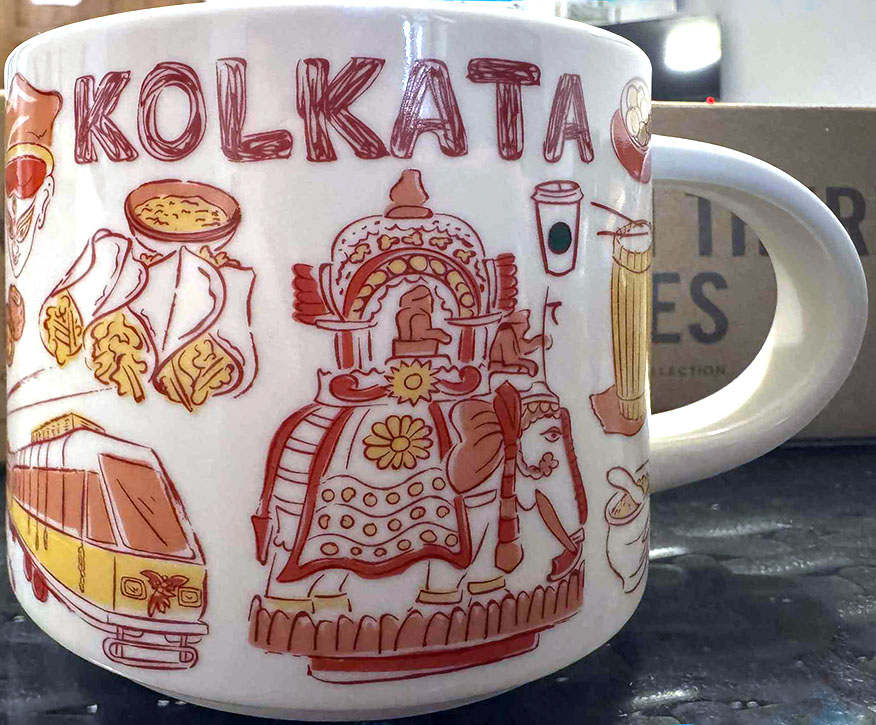
Been There – Kolkata


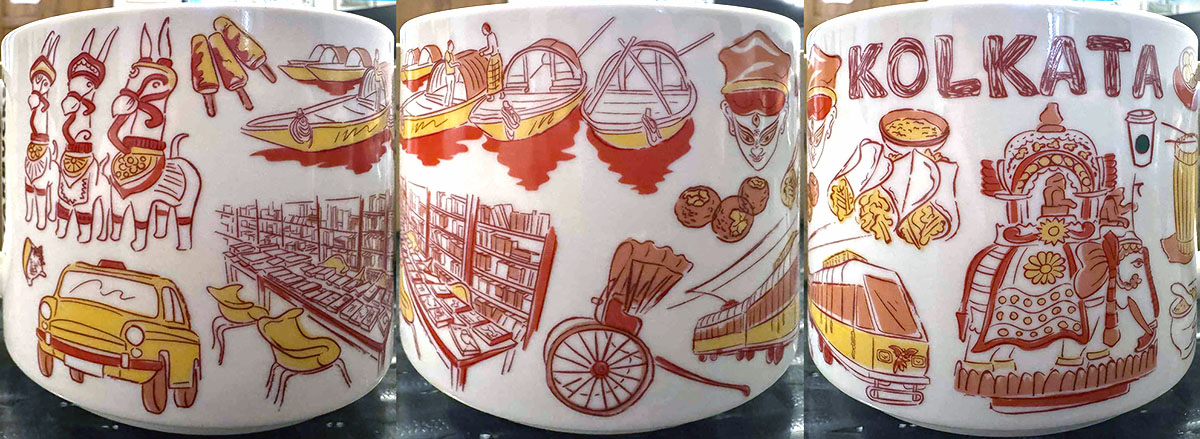
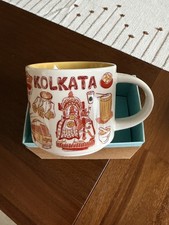
Been There Kolkata is a mug for a major cultural and historical city in eastern India, known for its colonial heritage, art, and literature.
Kolkata, formerly known as Calcutta, served as the capital of British India from 1773 to 1911, growing from a small trading post into a major imperial city. The British East India Company established its presence in the late 1600s, transforming the area into a commercial hub. Kolkata became the center of the Bengal Renaissance in the 19th century, producing literary giants, reformers, and artists who shaped modern Indian culture. After independence in 1947, the city experienced massive population growth from the Partition refugees while maintaining its role as eastern India’s cultural and commercial capital. Today, Kolkata balances its colonial architectural heritage with vibrant street life, intellectual traditions, and a reputation as India’s cultural capital despite economic challenges.
– Hand-pulled rickshaws remain a unique feature of Kolkata’s streets, with these human-powered vehicles still operating in certain areas despite controversy. These yellow rickshaws pulled by barefoot runners represent both Kolkata’s living history and debates about labour dignity. Hand rickshaws connect Kolkata to its colonial past in ways no other Indian city maintains.
– Yellow Ambassador taxis dominate Kolkata’s streets as the iconic vehicle associated with the city for decades. These vintage cars, based on 1950s British models and manufactured until 2014, create a distinctive automotive landscape. The yellow Ambassadors symbolize Kolkata’s resistance to rapid change and nostalgia for earlier eras.
– Street food defines Kolkata’s culinary culture, with vendors selling kathi rolls, puchkas (pani puri), jhal muri, and countless snacks on every corner. The city’s food stalls and small eateries create a democratic dining culture where all classes mingle. Street food represents Kolkata’s accessible pleasures and the flavors that unite residents.
– Trams rattle through Kolkata’s streets as Asia’s oldest operating electric tram system, established in 1902 and still running on several routes. These red and cream colored vintage trams move slowly through congested traffic, offering nostalgic journeys. The tram system represents Kolkata’s preservation of heritage transport despite modernization pressures.
– Durga Puja transforms Kolkata each autumn into the world’s largest art festival, with elaborate temporary structures (pandals) housing goddess Durga idols throughout the city. This five-day celebration brings the city to a standstill as millions visit elaborate displays blending traditional devotion with contemporary art. Durga Puja defines Kolkata’s cultural calendar and Bengali identity more than any other event.
– The National Library of India houses the country’s largest collection of books and manuscripts in a magnificent colonial building that once served as the Lieutenant Governor’s residence. Established in 1836 and later relocated to the Belvedere Estate, the library contains millions of volumes and rare documents. The institution represents Kolkata’s intellectual heritage and continuing role as a center of learning and scholarship.
– Bengali sweets are legendary throughout India, with Kolkata’s sweet shops (mishti shops) creating rosogolla, sandesh, and countless milk-based confections. These delicate sweets crafted by traditional sweet makers remain integral to celebrations and daily life. Bengali sweets represent Kolkata’s refined culinary artistry and the importance of mishti in social customs.
– The Bankura horse is a traditional terracotta art form from West Bengal. It is best known for its simple shape, long neck, and pointed ears, which make it easy to recognize. The Bankura horse is often used as a symbol of Bengali folk culture and craftsmanship.