Discovery Series – Antigua Guatemala


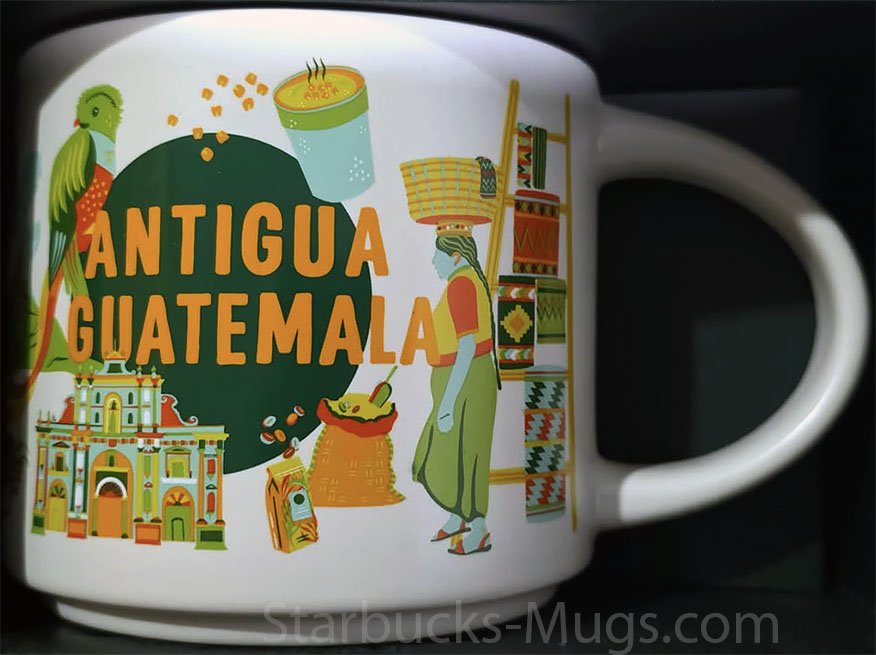
Big thanks to a blog reader for providing these exclusive pictures of the brand-new Discovery Series Antigua Guatemala mug. This release introduces the new collection to this Central American country, and I’m confident it’s just a matter of time before a country mug follows.
Antigua Guatemala is a historic city nestled in the central highlands of Guatemala, once serving as the capital of the Spanish colonial kingdom in Central America. Founded in the 16th century, the city is known for its preserved architecture, cobblestone streets, and dramatic volcanic surroundings. Despite earthquakes that reshaped its past, Antigua remains a cultural and visual centrepiece of the country. The mug design captures this layered history alongside everyday traditions and flavours.
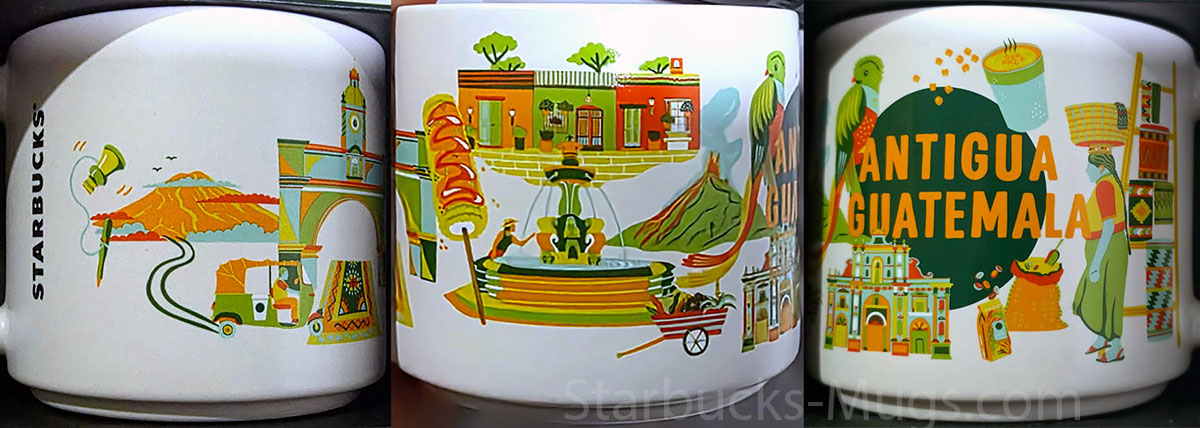
Here are some of the symbols and landmarks of Antigua Guatemala as seen in the design of the mug.
– Hooked rugs are a part of the traditional craftsmanship in Guatemala. Made by pulling loops of fabric through a woven backing, these rugs often feature bold colours and folk-inspired patterns. They are commonly sold in local markets and artisan shops around the city. Including hooked rugs highlights Antiguas long-standing culture of handmade textiles and decorative arts.
– The Cathedral of San José stands prominently near Antiguas Central Park and traces its origins back to the mid-1500s. Although damaged by major earthquakes, its grand facade and remaining ruins still reflect the city’s colonial importance. The cathedral continues to serve as a spiritual and historical anchor. Its presence in the design emphasizes Antiguas enduring architectural legacy.
– Santa Catalina’s Arch is one of the most photographed landmarks in the city. Built in the 17th century, the arch once connected a convent to a school across the street. Framed by colourful buildings and distant volcanoes, it has become an unmistakable symbol of Antigua. The arch visually ties together religion, daily life, and scenic beauty.
– The Fountain of the Sirens, located in Central Park, features statues inspired by classical mythology. Installed in the 18th century, the fountain has become a central meeting point for locals and visitors alike. It sits at the heart of city life, surrounded by markets, cafes, and historic buildings. Including it reflects the social rhythm of Antigua.
– The three great volcanoes – Agua, Fuego, and Acatenango dominate the skyline around the city. Volcán de Agua rises directly above Antigua, while Fuego is known for its frequent eruptions and Acatenango for popular hiking routes. These volcanoes shape both the landscape and daily awareness of nature. Their depiction adds a dramatic natural backdrop to the design.
– Three-wheeled taxis, often called tuk-tuks, are a common sight on Antigua’s narrow streets. These compact vehicles navigate the cobblestones with ease and are a practical form of local transportation. Their bright colours and constant movement bring energy to the city scene. Including them highlights modern life within a historic setting.
– Coffee-producing region reflects Antiguas role in Guatemala’s renowned coffee industry. The surrounding volcanic soil and high elevation create ideal growing conditions for high-quality beans. Coffee farms in the region have shaped both the economy and landscape. This symbol connects Antigua to global coffee culture.
– Indigenous Guatemalan women carrying heavy loads on their heads is a tradition rooted in strength and balance. Often seen carrying baskets, firewood, or goods, this practice reflects centuries-old customs. It remains a common sight in and around Antigua. Its inclusion honours living traditions within the city.
– Elote Loco is a popular street food made from corn on the cob topped with mayonnaise, cheese, lime, and chilli. It is commonly enjoyed in parks and markets throughout the city. This dish represents Antiguas casual, flavorful food culture. Including it adds a sense of everyday taste and local life.
– Sawdust carpets, shown on the back of the mug, are an important part of Holy Week celebrations. Artisans create intricate designs using colored sawdust laid directly on the streets. These temporary works of art are meant to be walked over during religious processions. Their presence highlights Antiguas deep connection to tradition and craftsmanship.