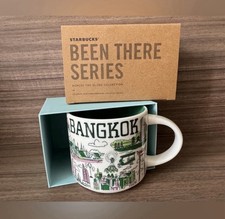
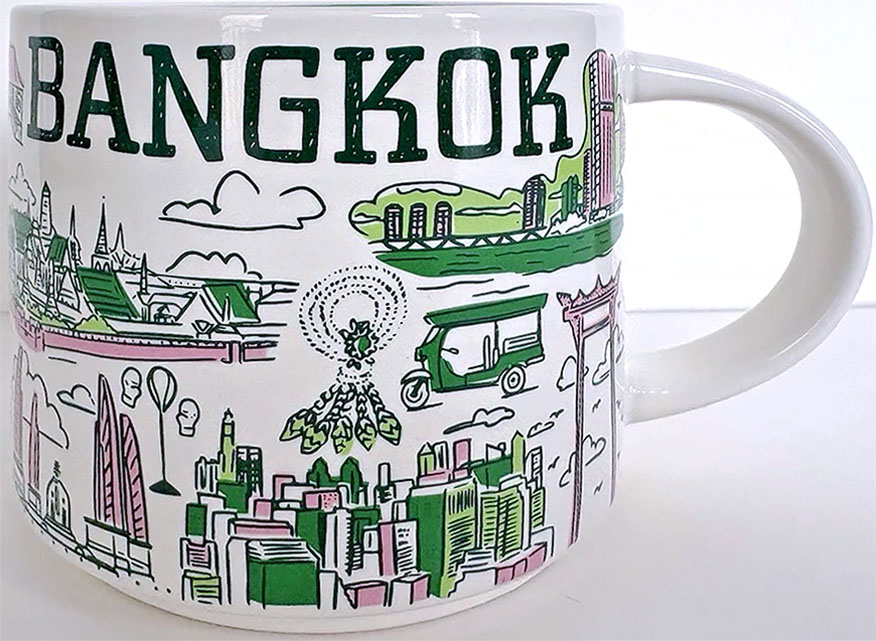
Been There – Bangkok


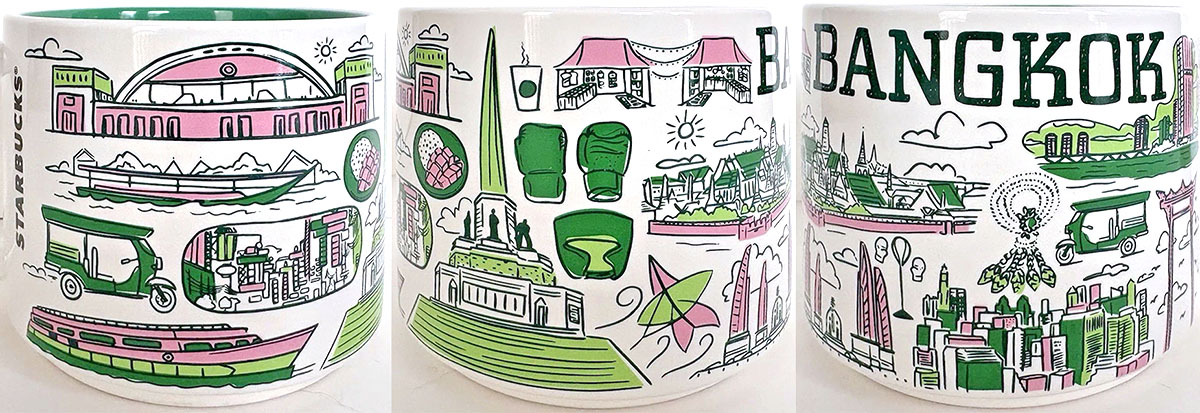
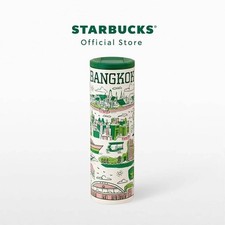
Been There Bangkok is a mug for a city where ancient temples, bustling waterways, vibrant street life, and modern energy come together at the heart of Thailand. You might also like this article about the Bangkok ornament.
Bangkok has grown from a riverside trading settlement into Thailand’s capital over more than two centuries. Founded as the capital in 1782 under King Rama I, the city became the political, cultural, and economic heart of the country. Its history is closely tied to the Chao Phraya River, which supported commerce, royal ceremonies, and daily life, shaping the city’s layout and identity, which continues today.
– The design highlights the Grand Palace, one of Bangkok’s most important historical landmarks. Built in the late 18th century, it served as the royal residence for generations of Thai kings. Today, it remains a powerful symbol of Thai craftsmanship, with ornate architecture and sacred temples that reflect the city’s royal heritage.
– The riverside temple of Wat Arun is another recognizable feature in the artwork. Known as the Temple of Dawn, it stands prominently along the Chao Phraya River with its tall, decorated prang. Its position by the water makes it one of Bangkok’s most photographed landmarks, especially at sunrise and sunset.
– The Giant Swing and Democracy Monument represent Bangkok’s civic and ceremonial spaces. The Giant Swing recalls traditional Brahmin ceremonies once held nearby, while the Democracy Monument marks a key moment in Thailand’s modern political history. Both landmarks are closely associated with the city’s broad avenues and historic districts.
– Transportation is a major theme, shown through boats and street scenes. The Chao Phraya Express Boat reflects how river travel still plays an important role in daily commuting and tourism. Alongside it, tuk-tuks and modern rail systems illustrate how Bangkok blends traditional modes of transport with a fast-growing urban network.
– Another landmark often depicted is Hua Lamphong Railway Station, long considered the heart of Thailand’s rail network. For decades, it served as Bangkok’s main rail hub, connecting the capital with regions across the country. Its inclusion reflects the city’s role as a national gateway.
– Thai food is woven into daily life in Bangkok, shaping how the city eats, gathers, and moves. Classic dishes like pad thai, tom yum, and green curry showcase the careful balance of sweet, sour, salty, and spicy that defines Thai cooking. Street stalls and night markets serve freshly prepared meals from early morning until late at night, making food constantly accessible. Local herbs, chillies, and regional techniques give each dish its distinct character. Together, Bangkok’s cuisine reflects both long-standing tradition and the city’s fast-paced modern rhythm.
– Muay Thai holds a powerful place in Bangkok’s cultural life. The sport developed centuries ago as a form of close-combat training and later evolved into Thailand’s national martial art. In Bangkok, historic venues like Lumpinee and Rajadamnern Stadium have long been centers of professional competition and ritual. Beyond the ring, Muay Thai gyms across the city train locals and visitors alike, keeping the discipline’s traditions, techniques, and ceremonial elements alive in everyday urban life.