Been There – Cambodia


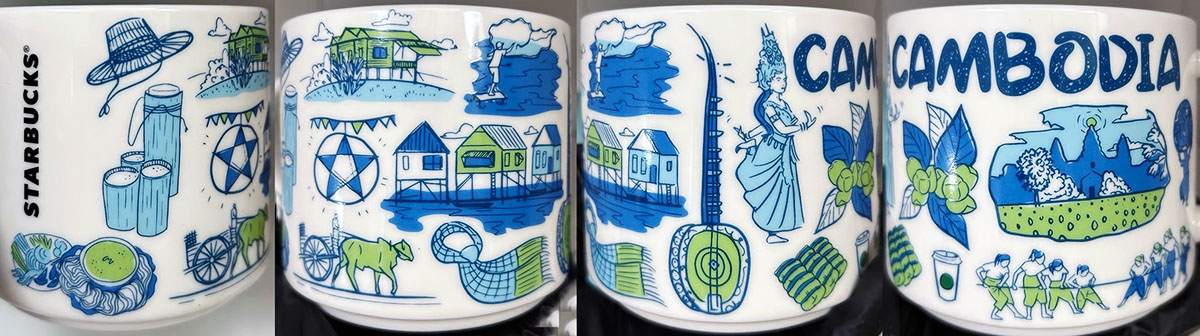
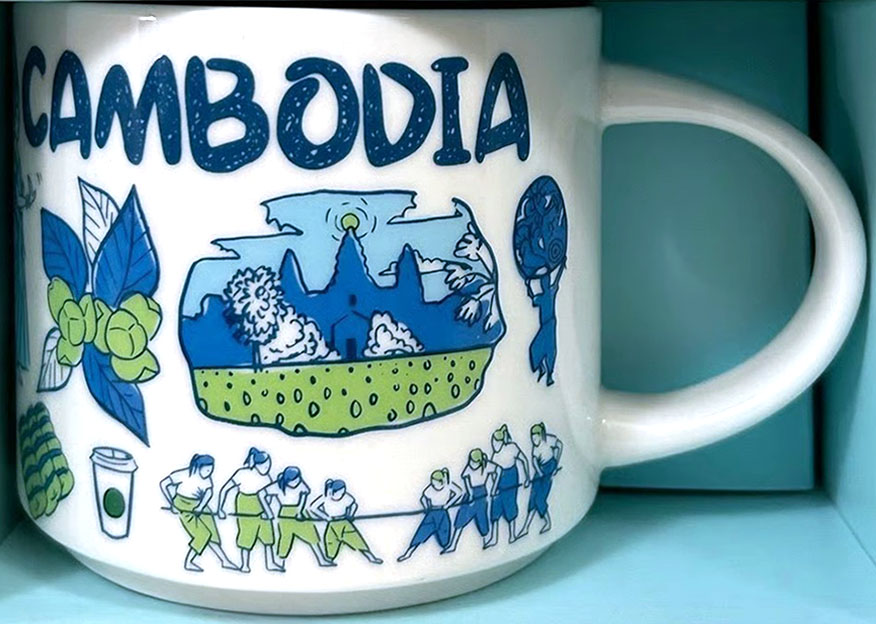
Been There – Cambodia is a mug for a country with a rich history that stretches back over a millennium, with the mighty Khmer Empire reaching its zenith between the 9th and 15th centuries. The kingdom’s golden age saw the construction of magnificent temple complexes and the development of sophisticated irrigation systems that supported thriving cities. Ancient Khmer rulers established a powerful civilization that controlled much of Southeast Asia, leaving behind architectural marvels that still inspire awe today. The empire’s influence extended far beyond its borders, spreading Khmer culture, art, and Hindu-Buddhist traditions throughout the region. This remarkable heritage forms the foundation of modern Cambodia’s identity, blending ancient traditions with contemporary life in a uniquely captivating way.
– Angkor Wat stands as the world’s largest religious monument and Cambodia’s most treasured attraction, representing the pinnacle of Khmer architecture. Built in the early 12th century as a Hindu temple dedicated to Vishnu, this UNESCO World Heritage site covers over 400 acres of intricate stone carvings and towering spires. Visitors can explore the temple’s three levels, each representing different realms of Hindu cosmology, while marvelling at the detailed bas-reliefs that tell epic stories from Hindu mythology.
– Tonle Sap Lake transforms dramatically with the seasons, expanding to become Southeast Asia’s largest freshwater lake during the monsoon period. The lake’s floating houses create entire communities that rise and fall with the water levels, showcasing remarkable human adaptation to natural cycles. Visitors can take boat tours through these floating villages to witness daily life on the water and learn about the lake’s crucial role in Cambodia’s ecosystem and economy.
– The ancient tug-of-war game represents more than just sport in Cambodia, serving as a cultural ritual that brings communities together during festivals and celebrations. This traditional game involves teams pulling on opposite ends of a rope, symbolizing the balance between opposing forces in nature and life.
– The Chapei Dang Veng, a traditional two-stringed guitar, holds a special place in Cambodian musical culture as both an instrument and a storytelling medium. Master musicians use this ancient instrument to perform epic narratives, often improvising lyrics that comment on social issues or historical events. The haunting melodies of the Chapei Dang Veng create an intimate atmosphere where oral traditions come alive through music.
– Cambodian Skor drums form the heartbeat of the country’s traditional music, with different types serving various ceremonial and entertainment purposes. These drums, ranging from small hand-held instruments to large barrel drums, accompany classical dance performances, religious ceremonies, and folk celebrations.
– The beautiful Kom Phkay star lanterns illuminate Cambodia’s night sky during the Water Festival and other celebrations, creating magical displays of light and color. These handcrafted paper lanterns, shaped like multi-pointed stars, represent wishes and prayers as they float gracefully through the darkness. Families gather to make these lanterns together, continuing a tradition that connects generations while celebrating important cultural moments.
– Cambodian cuisine offers a delicate balance of flavors that reflects the country’s geographic location between Thailand and Vietnam, incorporating influences from both neighbors while maintaining its unique character. Must-try dishes include Fish Amok (a coconut curry steamed in banana leaves), Beef Lok Lak (stir-fried beef with tomatoes and onions), and Num Banh Chok (rice noodles with fish-based curry). The vibrant street food scene in markets like Phsar Thmey in Phnom Penh provides adventurous travellers with authentic tastes of local life and flavors.