Been There – Kuala Lumpur


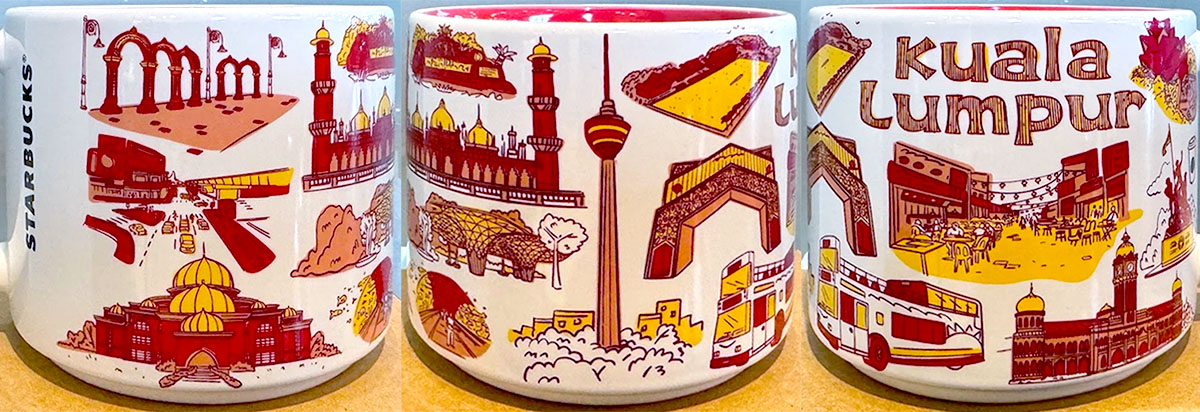
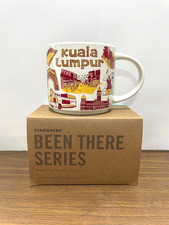
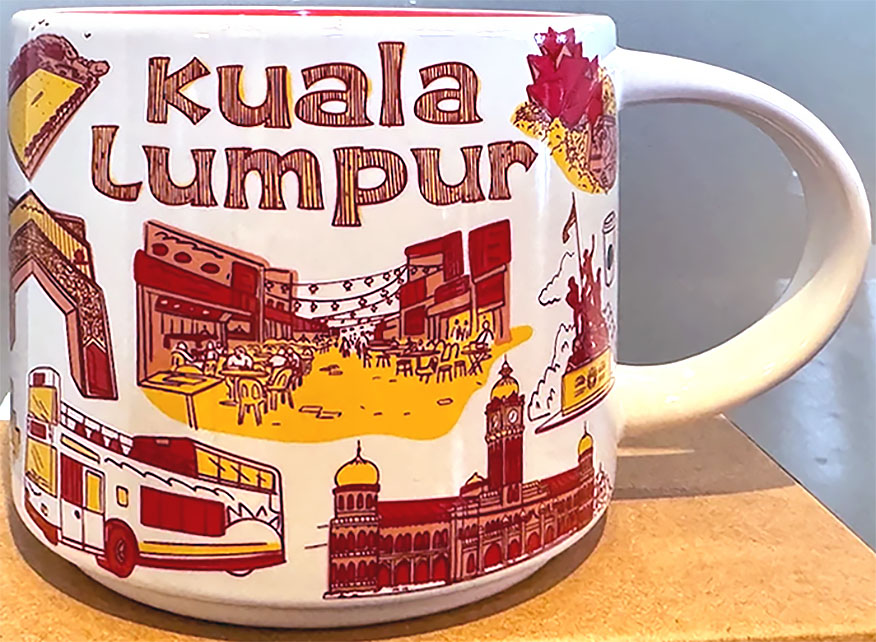
Most of the landmarks and symbols that we’ve reviewed in the post about the ornament can also be found in the design of this Been There Kuala Lumpur mug. Let’s compare these two.
Kuala Lumpur has grown from a small tin mining settlement to Malaysia’s busy capital, a place where old buildings and modern towers sit side by side. Different cultures shaped the city, which is why you see Malay, Chinese, and Indian influences everywhere. The mug captures that mix really well, showing historic spots, modern icons, and the everyday life that makes KL such a lively place.
– The Sultan Abdul Samad Building is one of the biggest highlights. Its long arcades, copper domes, and clock tower are easily recognizable. This building is situated directly adjacent to Merdeka Square and is one of the most photographed landmarks in the city. On the mug, it stands tall as a reminder of KL’s colonial past and its role in the country’s independence story.
– The Kuala Lumpur Tower (KL Tower) rises in the center of the design. This tower is used for communication, but most people know it for the sky deck and the glass floor that gives a full view of the city. It is one of the most iconic silhouettes in Malaysia and helps balance the classic buildings with something more modern.
– The Masjid Jamek Mosque also has an important place on the mug. With its white domes and arches, it is one of the oldest mosques in the city. It stands at the meeting point of the Klang and Gombak rivers, which is where Kuala Lumpur began. The mug puts it front and center as one of the city’s main heritage landmarks.
– The design also includes Little India Brickfields, a colourful area known for food, spices, and sari shops. On the mug, the arches and street decorations show the strong Indian influence in the city. This part of KL is always full of music, bright colours, and amazing snacks.
– The river area on the mug highlights the place where the city first began. Kuala Lumpur gets its name from the Malay words kuala, meaning the point where two rivers meet, and lumpur, meaning mud. This muddy confluence of the Klang and Gombak rivers became the center of early settlement and trade. The curved river walkway on the mug reflects how this historic crossing has grown into a modern waterfront, but its name keeps the memory of the city’s beginnings alive.
– Toward the side, you can see a historic gate that represents the entrance to Chinatown. This area, better known as Petaling Street, is packed with street vendors, food stalls, and souvenir shops. The gate signals the fast-paced, crowded atmosphere that many visitors remember.
– Changkat Bukit Bintang adds a lively urban flavour to the mug’s design. This energetic hillside street is one of Kuala Lumpur’s most famous nightlife districts, lined with cafés, international restaurants, rooftop bars, and music venues. By day, it feels relaxed and eclectic, but by night, it becomes a glowing, colourful promenade filled with people from all over the world.
– The KL Hop-On Hop-Off bus adds a modern and welcoming touch to the mug, celebrating one of the easiest ways for travellers to explore Kuala Lumpur. This sightseeing service loops through the city’s most beloved attractions, allowing passengers to hop off at landmarks, markets, parks, and cultural districts at their own pace. With its open-top design and informative onboard narration, it offers both convenience and discovery, making it perfect for first-time visitors and curious locals alike.