Been There – Laos


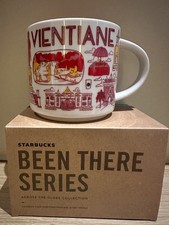
Interestingly, the Been There – Laos country mug was released after the Vientiane city mug. Starbucks often takes this approach, so I was not too surprised.
Laos, a landlocked nation in Southeast Asia, has a history that stretches back thousands of years. Once part of the ancient kingdom of Lan Xang, known as the “Land of a Million Elephants,” it flourished as a major regional power from the 14th to the 18th century. Its strategic location along the Mekong River made it an important trade hub and cultural crossroads. In the late 19th century, Laos became a French colony, shaping much of its architecture and administration. After gaining independence in 1953, the country endured decades of political upheaval before stabilizing into the peaceful, slow-paced nation it is today.
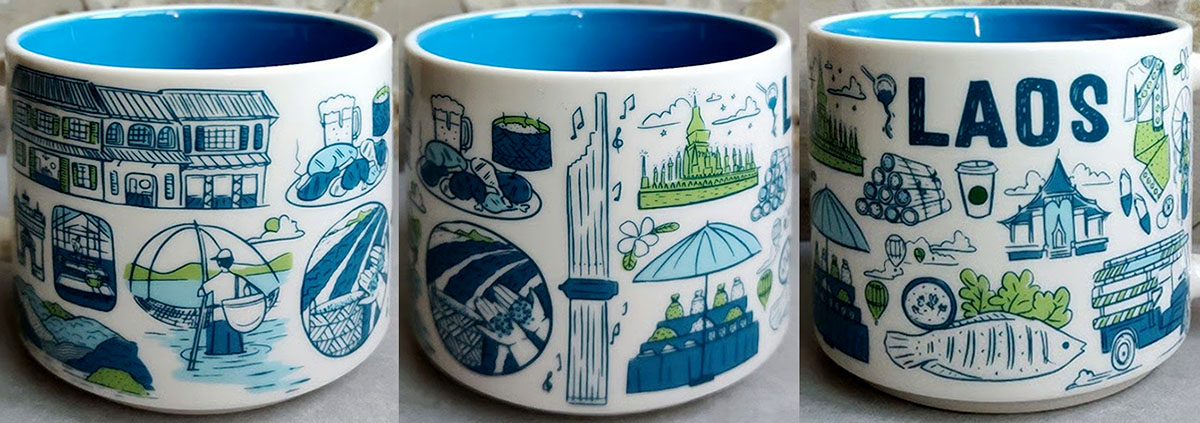
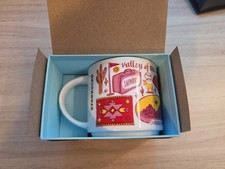
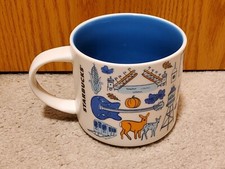
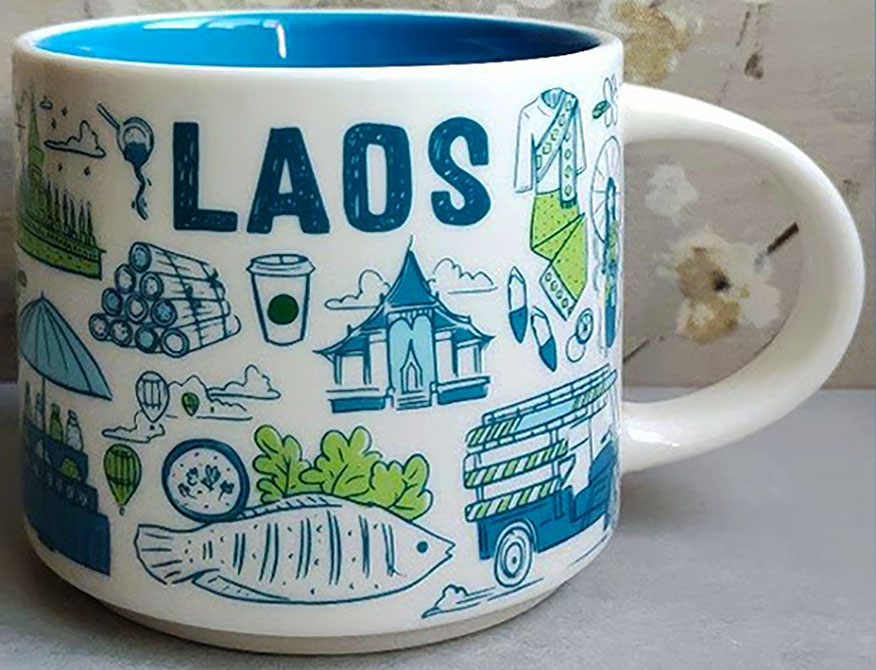
Some of the symbols of Laos I can identify in the design of the mug:
– That Luang, in Vientiane, is somewhat of an unofficial national symbol of the country. However, its image is used on the embassy seal. The National Emblem of the Lao People’s Democratic Republic shows the national shrine Pha That Luang. This golden Buddhist stupa, built in the 16th century, represents the deep-rooted Buddhist heritage of Laos and serves as the most important national monument in the country.
– The Plain of Jars is an archaeological mystery featuring thousands of ancient stone jars scattered across the Xieng Khouang plateau. These megalithic jars, dating back over 2,000 years, are believed to have been used for burial ceremonies by an ancient civilization. Despite being heavily bombed during the Vietnam War, the site remains one of Southeast Asia’s most intriguing archaeological wonders.
– Si Phan Don, meaning “4000 Islands,” is a riverine archipelago in the Mekong River near the Cambodian border in southern Laos. The area is famous for its laid-back atmosphere, traditional fishing villages, and the rare Irrawaddy dolphins that inhabit the waters. Visitors can explore the islands by bicycle, witness the powerful Khone Phapheng Falls (Southeast Asia’s largest waterfall by volume), and experience rural Lao life.
– The Khaen is a traditional bamboo mouth organ that serves as the national instrument of Laos and holds deep cultural significance throughout the region. This ancient reed instrument consists of bamboo pipes of varying lengths arranged in two rows, producing haunting melodies that accompany folk dances, ceremonial rituals, and social gatherings. The khaen represents the soul of Lao music and serves as a powerful symbol of cultural identity, connecting modern Laotians to their ancestral traditions and the rural heartland where these melodies first emerged.
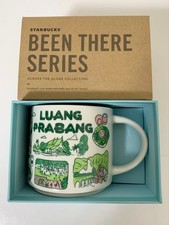
– Wat Xieng Thong stands as the crown jewel of Luang Prabang’s Buddhist architecture, embodying the spiritual and artistic pinnacle of traditional Lao temple design. Built in 1560, this magnificent temple complex features the characteristic low-sweeping rooflines, intricate gold leaf decorations, and stunning mosaics that define classical Lao religious architecture. As a symbol, Wat Xieng Thong represents the enduring strength of Buddhism in Lao culture, the preservation of traditional craftsmanship, and the country’s rich royal heritage that continues to inspire reverence and national pride.
– The Patuxai Victory Monument rises from the heart of Vientiane as a concrete symbol of Lao independence and national sovereignty, commemorating those who fought for freedom from foreign rule. Often called the “Arc de Triomphe of Vientiane,” this imposing structure blends Western architectural influences with traditional Lao decorative elements, reflecting the country’s complex colonial history and its emergence as an independent nation. Patuxai symbolizes Laos’s journey from colonialism to self-determination, serving as both a memorial to sacrifice and a beacon of national unity and pride for the Lao people.
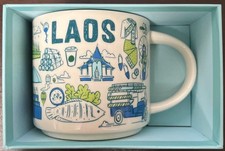
– The front of the mug showcases a dish with the whole fish on the plate – this is most likely Pa Ping, a Lao favorite grilled dish with lemongrass and herbs. But beyond this riverside delicacy, the three pillars of Lao cuisine remain sticky rice, larb, and green papaya salad. Larb, or laap, is a vibrant minced meat salad bursting with lime, chilli, and fresh herbs, served at everything from family dinners to festive gatherings. Sticky rice, or khao niew, is the essential staple, eaten with the hands and used to scoop up flavors from every other dish. Completing the trio is tam mak hoong, a bold and refreshing green papaya salad that ties the meal together with its tangy, spicy crunch.