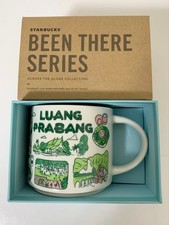

Been There – Luang Prabang


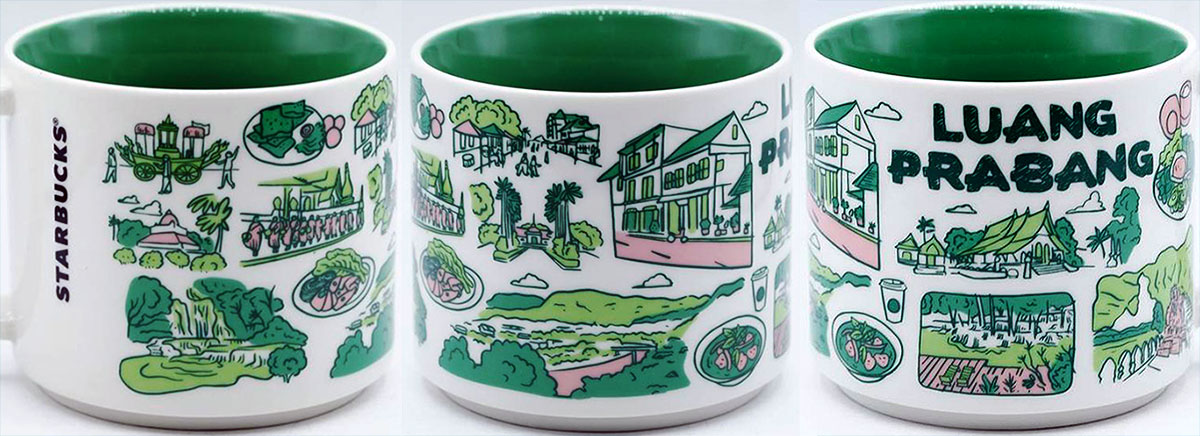
Been There – Luang Prabang is a mug for a city that was once the royal capital of Laos and that remains the spiritual heart of the nation. Founded over a thousand years ago, it grew where the Mekong and Nam Khan rivers meet, becoming a crossroads of trade and culture. The city’s golden temples, French colonial villas, and slow river life earned it a UNESCO World Heritage title in 1995. Every dawn, saffron-robed monks walk the streets collecting alms, a ritual that keeps ancient traditions alive. Surrounded by misty mountains and tropical forests, Luang Prabang feels timeless. It’s a place where peace, history, and natural beauty live side by side.
The royal heritage of Luang Prabang still shapes its skyline. The former Royal Palace, now a national museum, stands as a reminder of the country’s monarchy and cultural pride. Its blend of Lao design and French influence tells the story of a city shaped by both East and West.
Horse-drawn carriages add a touch of nostalgia to Luang Prabang’s streets. Though rare today, they once carried nobles and guests through the royal quarter. Their image still reflects the city’s elegance and quiet rhythm of life.
Wat Xieng Thong, one of the most important temples in Laos, glows with gold mosaics and sweeping roofs. It’s a masterpiece of Lao craftsmanship and a living center of faith. Visitors step softly here, feeling both serenity and awe in the presence of history.
Nature surrounds the city, and Kuang Si Falls is its crown jewel. The turquoise pools cascade through limestone terraces, drawing locals and travellers for a swim or a picnic. It’s a reminder that in Luang Prabang, beauty flows as freely as the rivers.
The city’s markets bring color and flavor to its calm streets. Morning stalls overflow with fresh produce, while night markets shine under lantern light. Handwoven fabrics, silver jewelry, and handmade crafts carry the warmth of Lao artisanship.
Khao soi, a fragrant noodle soup found across the city, captures the taste of Luang Prabang. It’s a simple yet rich mix of noodles, herbs, and broth, served in homes and street stalls alike. Each bowl tells a story of family and local flavor.