Discovery Series – Jacksonville


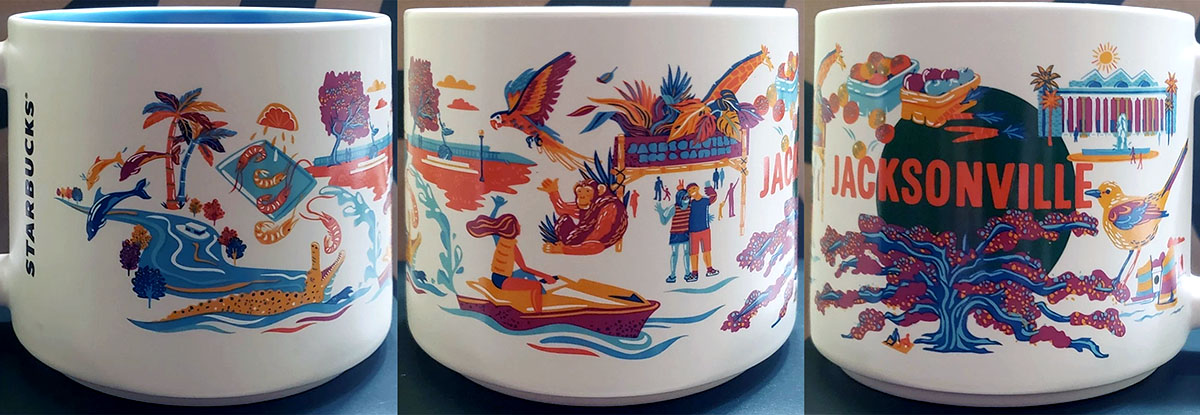
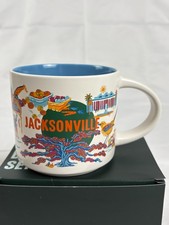
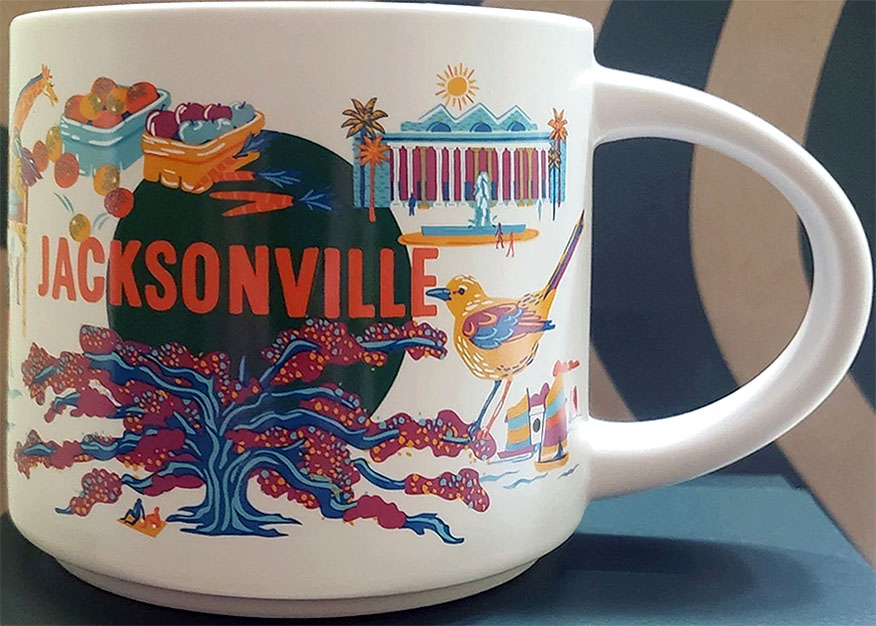
Here are the symbols and points of interest of Jax that didn’t make it to the ornament design but were included in the design of the Discovery Series – Jacksonville.
– Treaty Oak is one of Jacksonville’s most treasured natural landmarks. Estimated to be over 250 years old, this massive southern live oak has sprawling branches that create a dramatic canopy. It stands as a symbol of preservation and the city’s dedication to protecting its history and environment.
– The Prime F. Osborn III Convention Center is a striking example of Jacksonville’s architectural heritage. Originally a grand train station built in 1919, it was transformed into a convention center while preserving its Beaux-Arts design. Today, it serves as a hub for major events, blending historic charm with modern functionality.
– The Jacksonville Zoo and Botanical Gardens offers a unique blend of wildlife and lush plant life. Visitors can explore diverse animal habitats, from African lions to Asian tigers, alongside themed botanical displays. It is both a family-friendly attraction and an important center for conservation and education.
– Alligators are a well-known symbol of Florida’s wild side, and Jacksonville is no exception. These powerful reptiles can be found in local wetlands and nature preserves, representing the region’s rich biodiversity. They are a reminder of the balance between urban growth and the preservation of natural habitats.
– Memorial Park is a peaceful green space that honors the Floridians who died in World War I. Designed by the famous Olmsted Brothers firm, it features open lawns, shaded pathways, and a prominent bronze sculpture called “Life.” The park serves as both a memorial and a gathering place for community events.