Discovery Series Ornament – Oklahoma


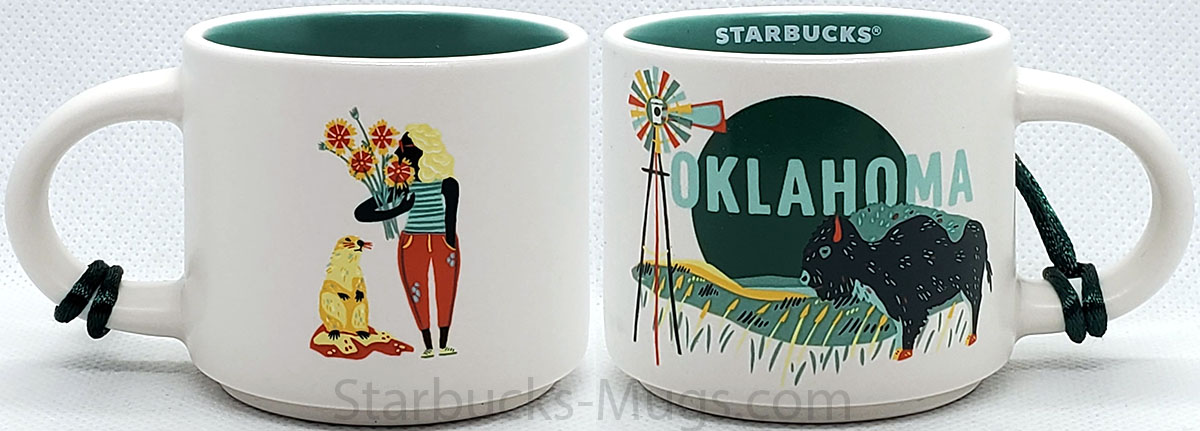
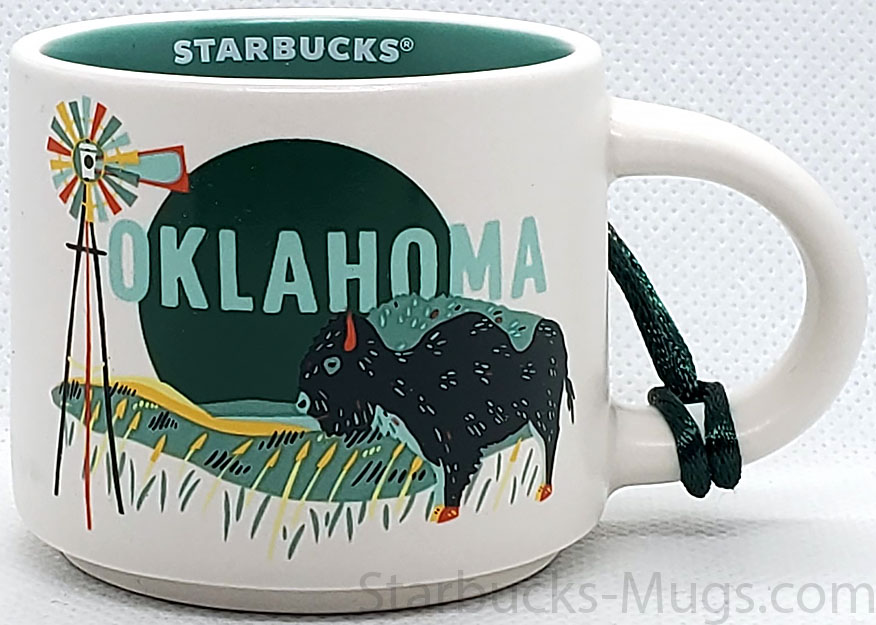
For some reason, the buffalo image is my favourite detail in the design of the Discovery Series Ornament Oklahoma.
Oklahoma became the 46th state on November 16, 1907, following a unique history as “Indian Territory” where the federal government forcibly relocated dozens of Native American tribes during the 1830s-1850s. The Land Run of 1889 opened former Indian lands to white settlement, with tens of thousands of settlers racing to claim plots in a chaotic scramble that gave Oklahoma its “Sooner” nickname. Oil discoveries transformed the state’s economy in the early 1900s, bringing boom-and-bust cycles that defined Oklahoma through the Depression-era Dust Bowl exodus immortalized in “The Grapes of Wrath.” Today, Oklahoma balances its Native American heritage (home to 39 tribal nations), cowboy culture, oil and gas industry, and evolving urban centers in Oklahoma City and Tulsa.
– Buffalo roam as Oklahoma’s state animal, symbolizing the Great Plains heritage and the massive herds that once numbered in the millions across the grasslands. These iconic animals nearly faced extinction before conservation efforts restored populations, with herds now maintained at several Oklahoma locations, including the Tallgrass Prairie Preserve. The buffalo represents both the natural abundance that sustained Plains tribes and the near-destruction of that ecosystem during westward expansion.
– Indian blanket wildflowers carpet Oklahoma’s roadsides and prairies with brilliant red petals tipped in yellow, designated as the state wildflower in 1986. Also called firewheel or Gaillardia pulchella, these hardy native flowers bloom from spring through fall across the state. The vibrant blooms honor Oklahoma’s Native American heritage through their common name while adding natural beauty to the landscape.
– The Great Plains stretch across western Oklahoma with rolling grasslands, wheat fields, and big sky country characteristic of America’s heartland. The relatively flat or gently rolling terrain supported massive buffalo herds and later became prime agricultural land for wheat and cattle ranching. Oklahoma’s plains geography shaped its settlement patterns, economy, and cultural identity as part of the American West.
– Windmills dot Oklahoma’s rural landscape, with traditional farm windmills pumping water for livestock, representing the agricultural heritage that sustained homesteaders. These iconic metal structures with their spinning blades became essential for ranching and farming in areas without surface water. Modern wind turbines now increasingly join vintage windmills, making Oklahoma a leader in wind energy production across its perpetually breezy plains.
– Woodchucks (groundhogs) inhabit Oklahoma’s fields, forests, and even urban areas, where these stocky rodents dig extensive burrow systems. Though not an official state symbol, woodchucks are common wildlife throughout Oklahoma, known for their vegetarian diets and hibernation habits. These adaptable creatures thrive across Oklahoma’s diverse habitats from the eastern forests to central grasslands.