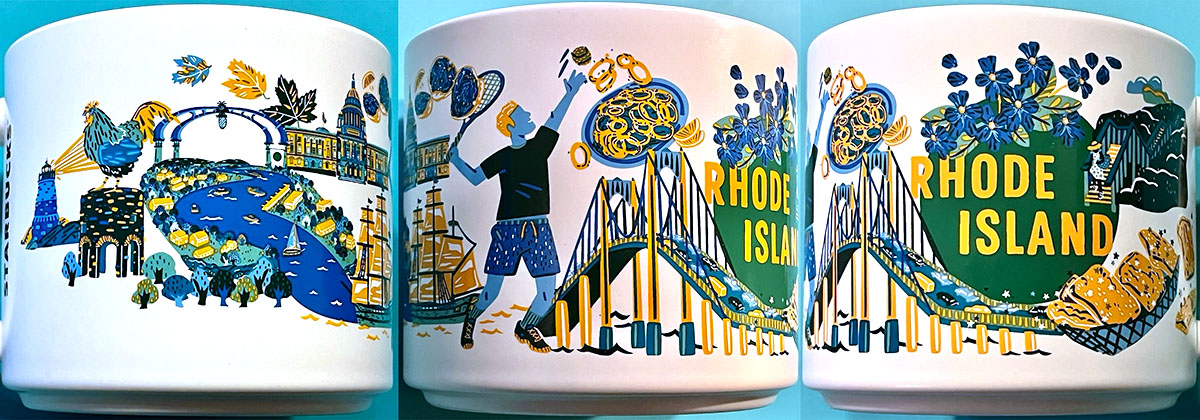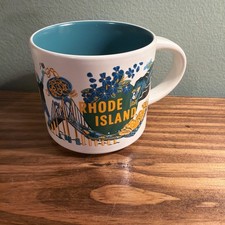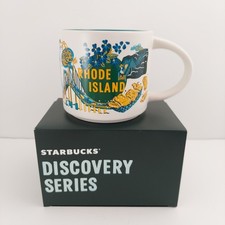
Discovery Series – Rhode Island


Discovery Series Rhode Island is a mug for the state that entered the Union on May 29, 1790, as the 13th and last of the original colonies to ratify the Constitution, having initially resisted due to concerns about federal power. Founded by Roger Williams in 1636 as a haven for religious freedom after his banishment from Massachusetts Bay Colony, Rhode Island became a refuge for dissenters seeking tolerance. Despite being America’s smallest state at just 1,214 square miles, Rhode Island played an outsized role in the Industrial Revolution with Samuel Slater’s water-powered textile mill launching American manufacturing in 1793. Today, Rhode Island balances its colonial heritage and historic seaside mansions with vibrant cultural scenes, renowned culinary traditions, and coastal communities maintaining the Ocean State’s maritime character.
– The Rhode Island Red chicken serves as the state bird, a heritage breed developed in Little Compton in the mid-1800s that revolutionized American poultry farming. These hardy birds with distinctive reddish-brown feathers became one of the world’s most successful chicken breeds. The Rhode Island Red represents the state’s agricultural innovation despite its small geographic size.
– Castle Hill Lighthouse stands at the entrance to Narragansett Bay in Newport, guiding vessels since 1890 with its distinctive granite tower. This picturesque lighthouse perched on rocky shores has become one of Rhode Island’s most photographed landmarks. Castle Hill represents the state’s maritime heritage and the navigational aids that have protected sailors for generations.
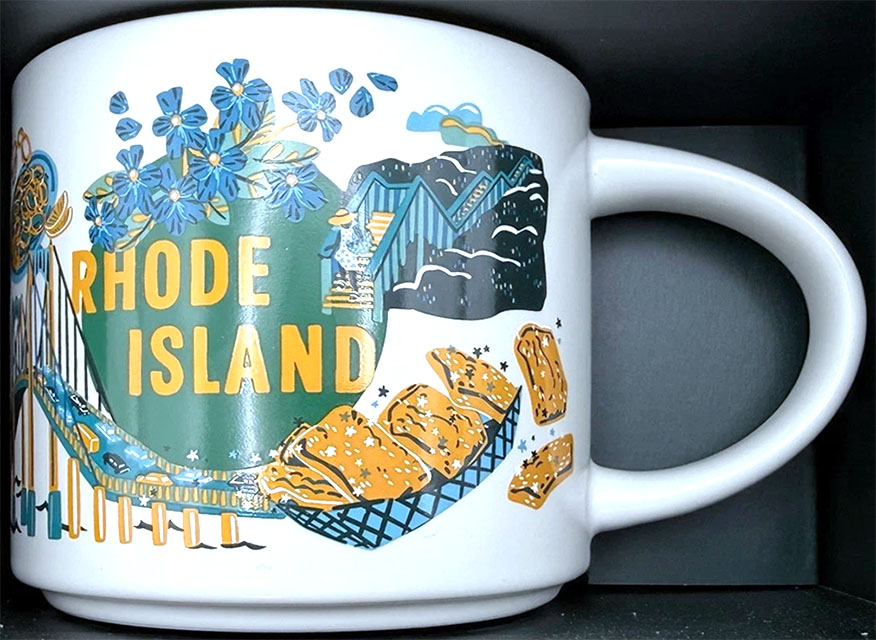
– Mohegan Bluffs rise dramatically 200 feet above the Atlantic Ocean on Block Island’s southeastern shore, offering spectacular views and access to secluded beaches via steep wooden stairs. These towering clay cliffs showcase layers of geological history and provide some of New England’s most stunning coastal scenery. Mohegan Bluffs represent Rhode Island’s rugged natural beauty beyond its gentler bay beaches.
– Claiborne Pell Newport Bridge soars 400 feet above Narragansett Bay, connecting Newport to Jamestown with its graceful suspension design spanning nearly 2 miles. Completed in 1969, this engineering marvel transformed access to Aquidneck Island and offers breathtaking views. The bridge represents modern Rhode Island’s infrastructure connecting its island communities.
– Rhode Island State House dominates Providence’s skyline with its white marble facade and one of the world’s largest self-supported marble domes. Completed in 1904, this Beaux-Arts masterpiece houses the state government and features the independent man statue atop its dome. The State House represents Rhode Island’s proud tradition of independence and democratic governance.
– The International Tennis Hall of Fame occupies the historic Newport Casino, where the first U.S. National Lawn Tennis Championships were held in 1881. This museum honours tennis legends while maintaining grass courts where the sport is still played. The Hall of Fame represents Newport’s role in establishing tennis as an American sport.
– Newport mansions showcase Gilded Age extravagance with opulent “summer cottages” like The Breakers and Marble House lining Bellevue Avenue. These architectural masterpieces built by Vanderbilts and other titans in the late 1800s feature European-inspired grandeur. The mansions represent Rhode Island’s role as a playground for America’s industrial elite.
Sailing and yachting thrive in Rhode Island’s waters, particularly around Newport, which hosted the America’s Cup for over 50 years and continues hosting prestigious regattas. Narragansett Bay’s protected waters create ideal conditions that have made Rhode Island synonymous with nautical excellence. Sailing represents the state’s maritime heritage and sporting traditions.
– The violet was chosen as Rhode Island’s state flower in 1968. It grows naturally across the state and blooms in early spring, adding small purple and blue flowers to fields and woodlands. The violet represents modesty, resilience, and the beauty of the state’s natural landscape.
– The Providence is a tall ship that represents Rhode Island’s maritime history and is recognized as the state’s flagship. It is a replica of an 18th-century sloop used during the American Revolution. The ship symbolizes Rhode Island’s long connection to the sea, trade, and naval service.
– Calamari became Rhode Island’s state appetizer in 2014 because of its strong connection to the state’s fishing industry and Italian American communities. It is usually made with fresh squid, lightly fried, and tossed with hot peppers, garlic, and herbs. Rhode Island–style calamari is known for being savoury and spicy rather than battered and heavy.
– Doughboys are Rhode Island’s beloved fried dough treats, served hot and dusted with powdered sugar at beach stands, carnivals, and summer festivals statewide. These pillowy, sweet snacks differ from zeppoles or funnel cakes in their unique preparation. Doughboys represent summer nostalgia and the simple pleasures of Rhode Island beach culture.
– Clam cakes and chowder define Rhode Island cuisine, with fried dough balls studded with chopped clams served alongside creamy clam chowder at seafood shacks. Rhode Island’s clear chowder style differs from Manhattan’s tomato-based and New England’s cream versions. These dishes represent the Ocean State’s seafood traditions and coastal comfort food.