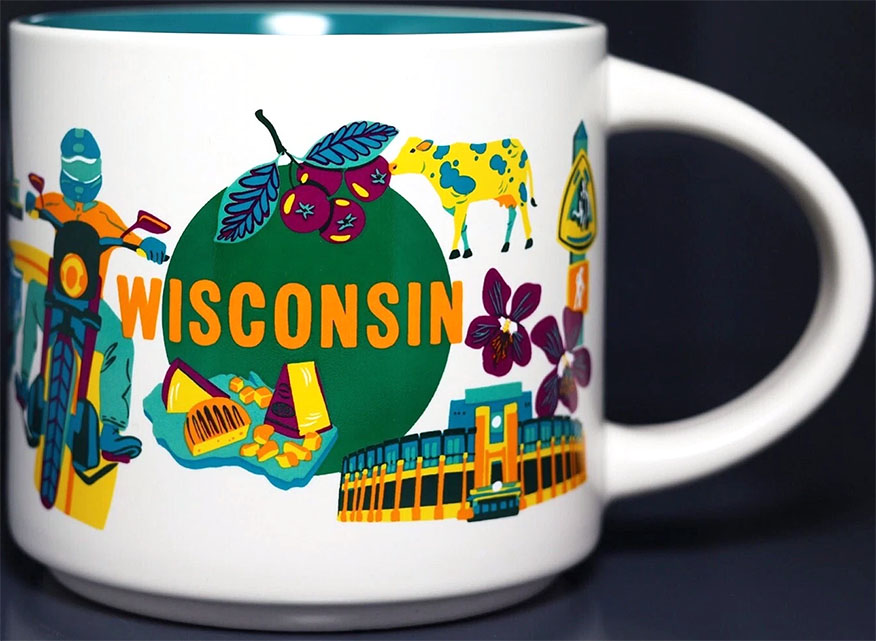
Discovery Series – Wisconsin


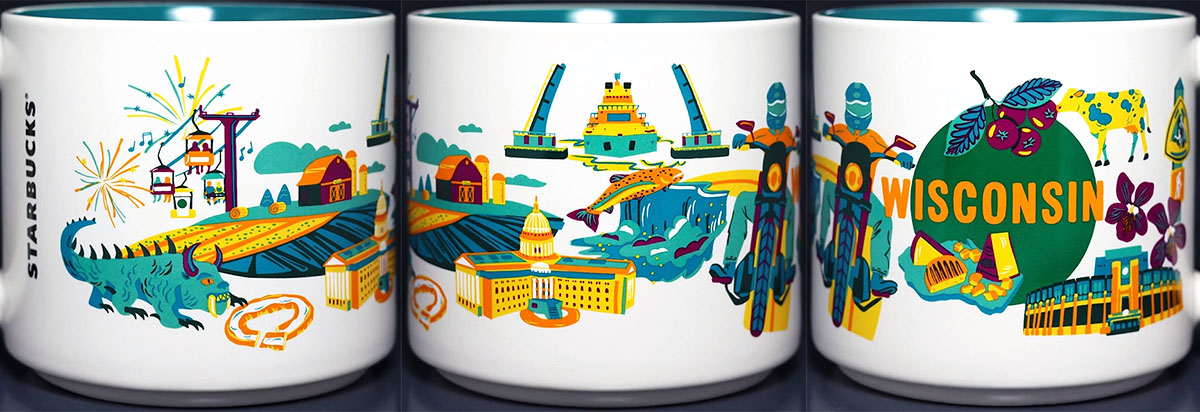
Discovery Series Wisconsin for a state which blends nature, tradition, and Midwestern warmth
Wisconsin became the 30th state on May 29, 1848, after decades as a territory attracting immigrants from Germany, Scandinavia, and Poland who established farms and communities. The state’s name derives from a Native American word meaning “gathering of the waters,” reflecting its abundant rivers and lakes. Wisconsin’s economy flourished through dairy farming, brewing, and manufacturing, earning the nickname “America’s Dairyland” as cheese and milk production became synonymous with the state. From the progressive politics of “Fighting Bob” La Follette to its modern identity, balancing agriculture with urban centers like Milwaukee and Madison, Wisconsin embodies Midwestern values of hard work, community, and an enduring connection to the land.
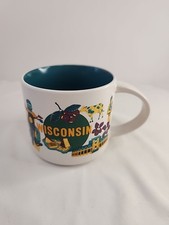
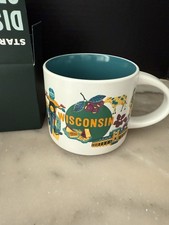
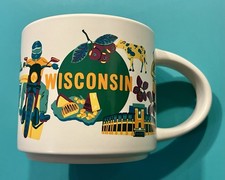
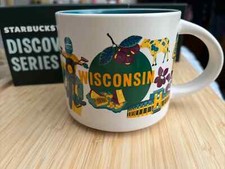
– Dairy cows define Wisconsin’s agricultural identity, with the state producing more cheese than any other and ranking among the top milk producers nationally. Wisconsin designated milk as the official state beverage in 1987, cementing the connection between residents and the dairy industry. Black-and-white Holsteins grazing in green pastures have become the iconic image of Wisconsin’s countryside and economic foundation.
– Wisconsin State Capitol dominates Madison’s skyline with its distinctive white granite dome rising 284 feet, completed in 1917 as one of the tallest capitol buildings in the nation. The Beaux-Arts structure features elaborate interior murals, marble staircases, and a stunning rotunda topped by the bronze “Wisconsin” statue. The Capitol serves as the seat of state government and a landmark visible throughout the isthmus city.
– The Apostle Islands are a stunning archipelago in Lake Superior, known for their dramatic sea caves, historic lighthouses, and untouched natural beauty. Shaped by wind, water, and ice, the islands offer ever-changing views across rugged cliffs and clear blue waters. They stand as one of Wisconsin’s most breathtaking destinations, blending adventure, history, and wilderness.
– Wood violets bloom across Wisconsin as the official state flower, adopted in 1909 for these delicate purple flowers carpeting forests and meadows each spring. These small native wildflowers thrive in Wisconsin’s woodlands and shaded areas throughout the state. The violet’s modest beauty reflects Wisconsin’s unpretentious character and natural landscapes.
– Cheese is Wisconsin’s most famous product, with the state producing over 600 varieties and more than a quarter of America’s cheese. Artisan cheesemakers and large-scale operations continue traditions brought by European immigrants, earning Wisconsin international recognition for quality. Cheese curds, a Wisconsin specialty, appear at restaurants and bars statewide as a beloved snack.
– Ski resorts dot Wisconsin’s landscape from the north to the southwest, with areas like Granite Peak, Cascade Mountain, and Devil’s Head offering winter recreation despite the state’s modest elevation changes. The resorts capitalize on Wisconsin’s reliable snowfall and cold winters to provide downhill skiing, snowboarding, and tubing for residents seeking winter outdoor activities. These winter destinations support tourism economies in rural areas while giving Wisconsinites nearby alternatives to travelling to larger mountain ranges.
– Motorcycles connect to Wisconsin through Harley-Davidson, founded in Milwaukee in 1903 and remaining headquartered in the state. The legendary motorcycle manufacturer represents Wisconsin’s manufacturing heritage and blue-collar roots. Harley-Davidson’s anniversary celebrations draw thousands of riders to Milwaukee, making motorcycles integral to state pride and industrial history.
– Fishing thrives throughout Wisconsin’s 15,000 lakes and countless rivers and streams, with anglers pursuing walleye, muskie, bass, and trout in pristine waters. Ice fishing becomes a winter tradition with shanties dotting frozen lakes across the state. Fishing culture connects Wisconsinites to natural resources and outdoor traditions passed through generations.
– Cranberries grow in Wisconsin’s extensive marshlands, making the state the nation’s leading cranberry producer with vast bogs primarily in central Wisconsin. The tart red berries harvested in the fall create iconic images of flooded bogs filled with floating fruit. Wisconsin cranberries supply much of America’s cranberry juice, sauce, and dried fruit products.
– The Hodag is a legendary creature from Rhinelander, Wisconsin, first appearing in local folklore in the late 19th century. Described as a fearsome beast with horns, scales, and glowing red eyes, it quickly became a symbol of Northwoods storytelling and imagination. Today, the Hodag is embraced with pride, serving as a beloved mascot and cultural icon that celebrates Wisconsin’s rich tradition of tall tales.