Discovery Series Ornament – Baltimore


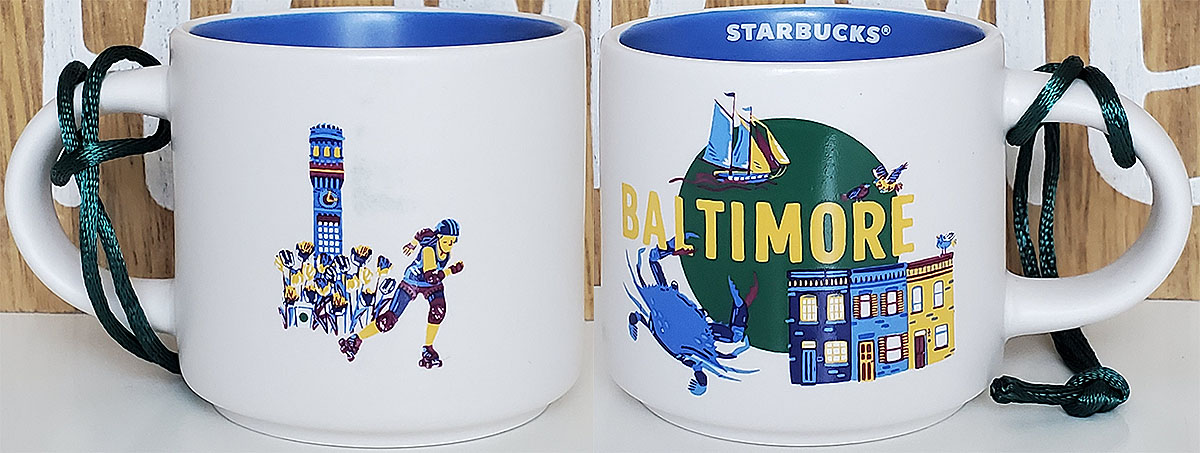
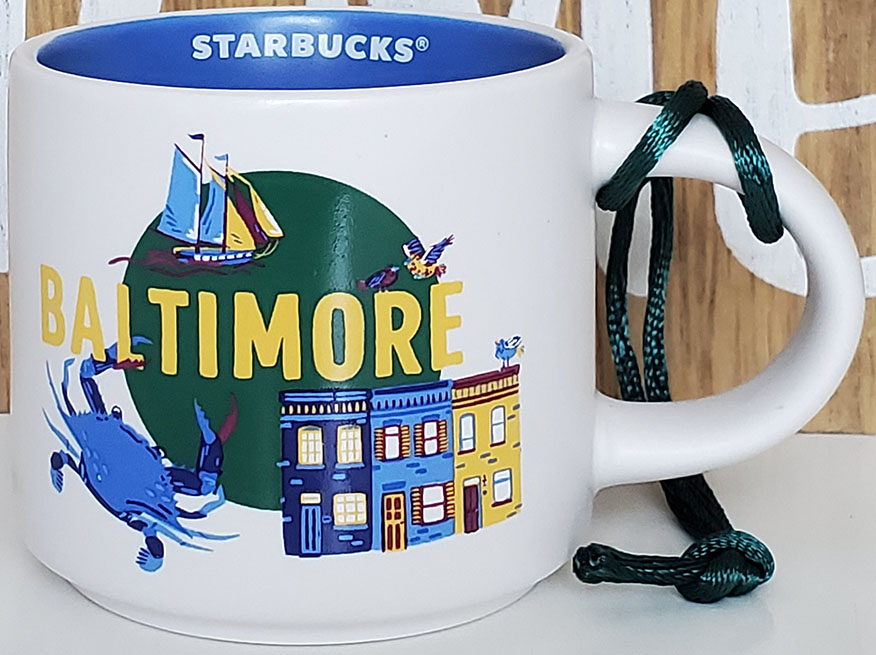
I like the blue colors of the Discovery Series Ornament – Baltimore, but I wish the string were also blue.
Baltimore’s story begins in 1706 when Maryland’s colonial General Assembly created the Port of Baltimore at Whetstone Point for the tobacco trade. The Town of Baltimore itself was officially founded on August 8, 1729, when the Governor of Maryland signed an act establishing the settlement on the west side of the Jones Falls. The city was named after Cecilius Calvert, the 2nd Lord Baltimore, connecting it to the English aristocrat who helped establish Maryland as a colonial haven for religious tolerance. From these humble beginnings as a tobacco port, Baltimore would grow into one of America’s most important cities, earning its nickname “Charm City” for its distinctive character and resilient spirit.
The Maryland blue crab represents more than just seafood—it embodies the essence of Chesapeake Bay culture that defines Baltimore’s identity. These distinctive crustaceans with their brilliant blue claws have sustained generations of watermen and shaped the city’s culinary traditions, from steamed crabs seasoned with Old Bay to the beloved crab cakes served in restaurants throughout the city. The annual ritual of crab picking brings families and friends together around newspaper-covered tables, creating memories that bind communities and preserve Baltimore’s maritime heritage.
Baltimore rowhouses stand as one of the city’s most defining architectural features, found in neighborhoods across the city, from richly ornamented three-story mansions in Bolton Hill to narrow alley houses in Fell’s Point. These narrow homes, typically 12-14 feet wide, began construction in earnest in the 1820s and were packed into tight blocks, creating the distinctive streetscapes that give Baltimore its unique character. Over 200 years, these rowhouses have made up the majority of Baltimore’s housing stock, with each style reflecting the neighborhood and historical period in which it was built, from Federal and Italianate to Queen Anne and modern designs.
– The Baltimore Clipper stands as one of the city’s most significant contributions to maritime history, representing the pinnacle of American shipbuilding innovation in the late 18th and early 19th centuries. These small, fast sailing vessels were built with sharp hull lines and a distinctive V-shaped cross section below the waterline, designed specifically for speed and agility. Reaching their zenith between 1795 and 1815 during the War of 1812, Baltimore Clippers served as highly effective privateers that captured over 2,500 British vessels, earning Baltimore a reputation as a center of American naval prowess and maritime craftsmanship.
The Emerson Tower stands as a testament to Baltimore’s architectural ambition and urban development during the early 20th century. This historic structure, part of the broader Emerson complex, represents the city’s growth beyond its colonial and industrial roots into a modern metropolitan center. The tower’s presence in the Baltimore skyline serves as a landmark that connects the city’s past with its continuing evolution, embodying the resilience and forward-thinking spirit that characterizes Charm City.
Sherwood Gardens transforms Baltimore each spring into a floral wonderland that draws visitors from across the region to witness one of the most spectacular tulip displays in America. Located in the Guilford neighborhood, this six-acre garden features over 80,000 tulips, azaleas, and flowering trees that create a breathtaking carpet of color against the backdrop of elegant homes. The gardens represent Baltimore’s commitment to beauty and community spaces, offering residents and visitors alike a peaceful refuge that celebrates the renewal and hope that comes with each changing season.
I wasn’t able to find a clear connection between roller skating and Baltimore, so its inclusion on the design remains a bit of a mystery. Let me know in the comments if you have any ideas.