Discovery Series Ornament – Palm Springs


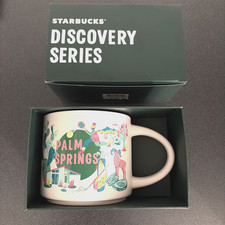
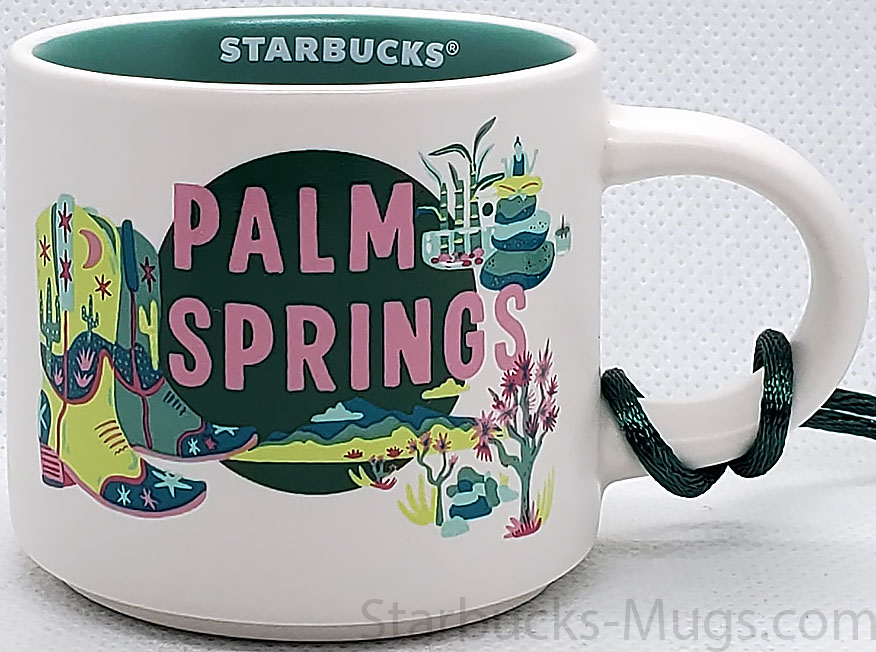
Discovery Series Ornament Palm Springs is a mini mug for a city that didn’t have one before!
Palm Springs transformed from a desert oasis inhabited by the Agua Caliente Band of Cahuilla Indians into a glamorous resort destination in the early 20th century. Hollywood stars discovered the area in the 1930s, making it their playground just two hours from Los Angeles, while the clean desert air attracted those seeking relief from respiratory ailments. The city’s golden age in the 1950s and 1960s saw architectural innovation through mid-century modern design that still defines its aesthetic today. After decades of decline, Palm Springs experienced a renaissance in the 1990s, embracing its retro charm, preserving historic architecture, and evolving into a destination celebrated for design, arts, and year-round sunshine in the Coachella Valley.
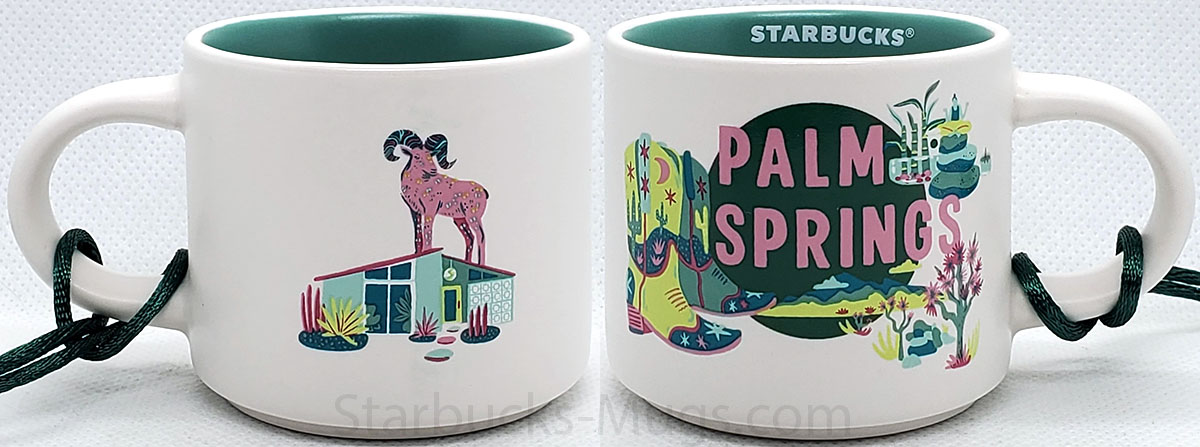
– Mid-century modern architecture defines Palm Springs’ visual identity, with iconic designs by Richard Neutra, Albert Frey, and Donald Wexler showcasing clean lines, glass walls, and indoor-outdoor living. Hundreds of preserved homes and buildings from the 1950s-60s create the world’s largest collection of this architectural style. Mid-century design represents Palm Springs’ golden age and the innovative approach to desert living.
– Bighorn sheep roam the surrounding mountains and occasionally venture into Palm Springs neighbourhoods, serving as the area’s most iconic wildlife. These sure-footed animals with their distinctive curved horns navigate steep terrain in the Santa Rosa and San Jacinto Mountains. Bighorn sheep represent the wild desert environment that exists alongside Palm Springs’ urban resort culture.
– Palm trees line every street and fill landscapes throughout Palm Springs, creating the quintessential desert oasis aesthetic. From towering California fan palms to date palms, these trees provide shade and a tropical ambiance in the arid environment. Palm trees symbolize the transformation of a harsh desert into a lush paradise.
– Swimming pools appear in nearly every backyard and hotel, making Palm Springs the pool capital of America with more pools per capita than anywhere else. The shimmering turquoise rectangles and kidney-shaped designs epitomize the leisurely lifestyle and 1950s glamour. Pools represent the ultimate symbol of desert resort living and escape.
– Desert plants and cacti populate xeriscapes throughout Palm Springs, with saguaros, barrel cacti, ocotillo, and native plants thriving in the arid climate. These drought-tolerant gardens have become increasingly popular, blending aesthetics with water conservation. Desert flora represents the natural landscape and sustainable approaches to desert landscaping.
– Cowboy boots likely reference nearby Pioneertown, a living Western movie set built in 1946 by Hollywood investors, including Roy Rogers and Gene Autry, to film cowboy pictures. This authentic Old West town, 30 minutes from Palm Springs, still features wooden sidewalks, saloons, and facades used in hundreds of films and TV shows. Pioneertown represents Palm Springs’ connection to Hollywood’s golden age and the romanticized Wild West that drew filmmakers to the desert.