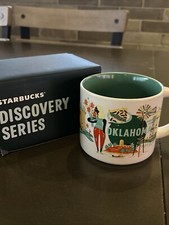
Discovery Series – Oklahoma


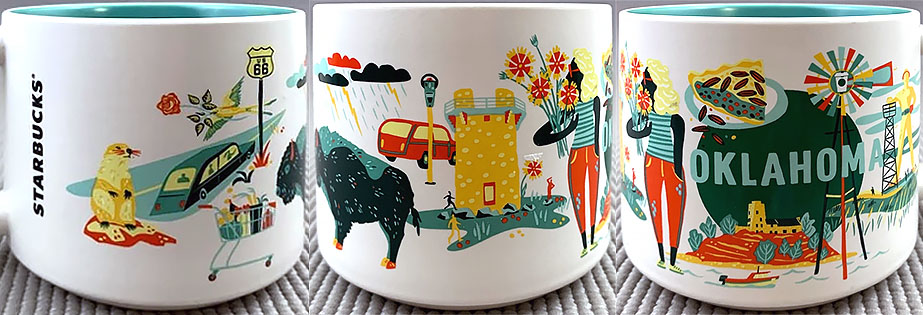
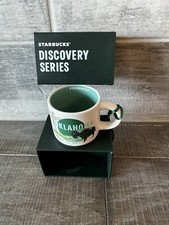
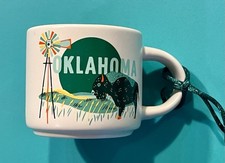
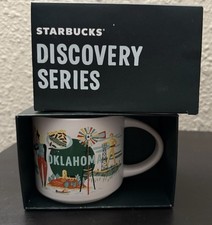
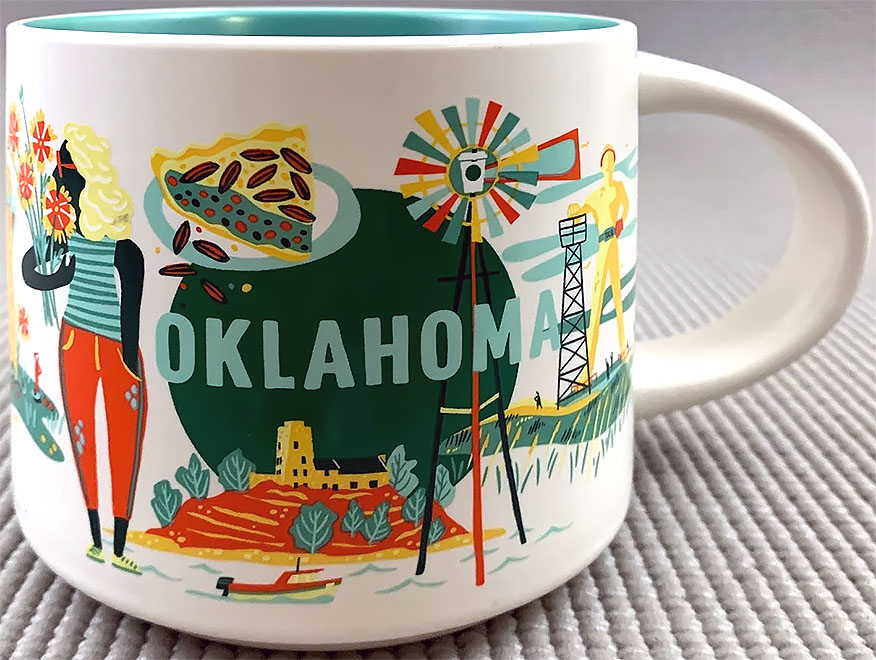
The Discovery Series Oklahoma is a mug for “The Sooner State”, where history, land, and grit come together.
Oklahoma became the 46th state on November 16, 1907, after serving as “Indian Territory” where the federal government forcibly relocated dozens of Native American tribes during the 1830s-1850s. The Land Run of 1889 opened former Indian lands to white settlement, with tens of thousands racing to claim plots in a chaotic scramble that gave rise to the “Sooner” nickname for those who entered early. Oil discoveries in the early 1900s transformed the economy, bringing boom-and-bust cycles through the Dust Bowl era and beyond. Today, Oklahoma balances its Native American heritage (home to 39 tribal nations), cowboy culture, energy industry, and growing urban centers while honoring its complex frontier history.
– The Great Plains stretch across Oklahoma with rolling grasslands, wheat fields, and expansive skies characteristic of America’s heartland. The relatively flat terrain once supported massive buffalo herds and later became prime agricultural land for wheat, cotton, and cattle ranching. Oklahoma’s plains geography shaped settlement patterns, farming traditions, and the cultural identity linking the state to the American West.
– Tornado Alley and thunderstorms make Oklahoma one of the most tornado-prone regions on Earth, with spring and early summer bringing severe weather systems spawning violent twisters. The state experiences dramatic thunderstorms with intense lightning, hail, and straight-line winds alongside tornadoes. This volatile weather shaped Oklahoma culture, from storm cellars to meteorological research at the National Weather Center in Norman.
– Windmills dot Oklahoma’s rural landscape, with traditional farm windmills pumping water for livestock alongside modern wind turbines generating electricity. These structures became essential for ranching in areas without surface water, enabling settlement of the plains. Oklahoma now ranks among the top states for wind energy production, with thousands of turbines harnessing perpetual prairie breezes.
– Tucker Tower Nature Center sits on the shores of Lake Murray in southern Oklahoma, built as a retirement home in the 1930s and later converted into a nature center. The distinctive stone tower offers panoramic views of the lake and surrounding landscape while housing exhibits on local geology and wildlife. The structure serves as a recreational and educational landmark within Oklahoma’s state park system.
– Golden Driller stands 75 feet tall in Tulsa as a monument to Oklahoma’s oil industry heritage, erected in 1953 for the International Petroleum Exposition. This enormous statue of an oil worker holding a drill bit has become Tulsa’s most recognizable landmark and symbol of the petroleum industry’s importance. The Golden Driller embodies Oklahoma’s identity as an energy-producing state and Tulsa’s history as the “Oil Capital of the World.”
– Route 66 crosses Oklahoma for over 400 miles, with more drivable miles of the historic “Mother Road” preserved in Oklahoma than any other state. Classic diners, motor courts, and roadside attractions maintain the nostalgic appeal of America’s most famous highway. Oklahoma’s Route 66 heritage celebrates mid-century road trip culture and small-town America along the historic corridor.
– Woodchucks inhabit Oklahoma’s fields, forests, and even suburban areas, where these stocky rodents dig extensive burrow systems. These adaptable creatures thrive across Oklahoma’s diverse habitats from eastern forests to central grasslands. Woodchucks are common wildlife throughout the state, known for their vegetarian diets and hibernation patterns.
– Indian blanket wildflowers carpet Oklahoma’s roadsides and prairies with brilliant red petals tipped in yellow, designated as the state wildflower in 1986. Also called firewheel or Gaillardia pulchella, these hardy native flowers bloom from spring through fall across the state. The vibrant blooms honor Oklahoma’s Native American heritage through their common name while adding natural beauty to the landscape.
– Buffalo roam as Oklahoma’s state animal, symbolizing the Great Plains heritage and the massive herds that once numbered in the millions. These iconic animals nearly faced extinction before conservation efforts restored populations at locations including the Tallgrass Prairie Preserve. The buffalo connects Oklahoma to both the natural abundance that sustained Plains tribes and the near-destruction of that ecosystem.
– Parking meters were invented and first installed in Oklahoma City in 1935 by Carl C. Magee to manage downtown parking congestion. The world’s first parking meter, the Park-O-Meter, debuted on July 16, 1935, revolutionizing urban parking management worldwide. This Oklahoma innovation spread globally, forever changing how cities handle vehicle parking and generate revenue.
– Pecan pie is a beloved Oklahoma dessert celebrating the state’s official tree and nut, with pecan groves producing abundant harvests across southern Oklahoma. This rich, sweet pie combining pecans, corn syrup, and eggs appears at holiday tables, diners, and family gatherings statewide. Pecan pie showcases Oklahoma’s agricultural bounty and Southern culinary traditions passed through generations.