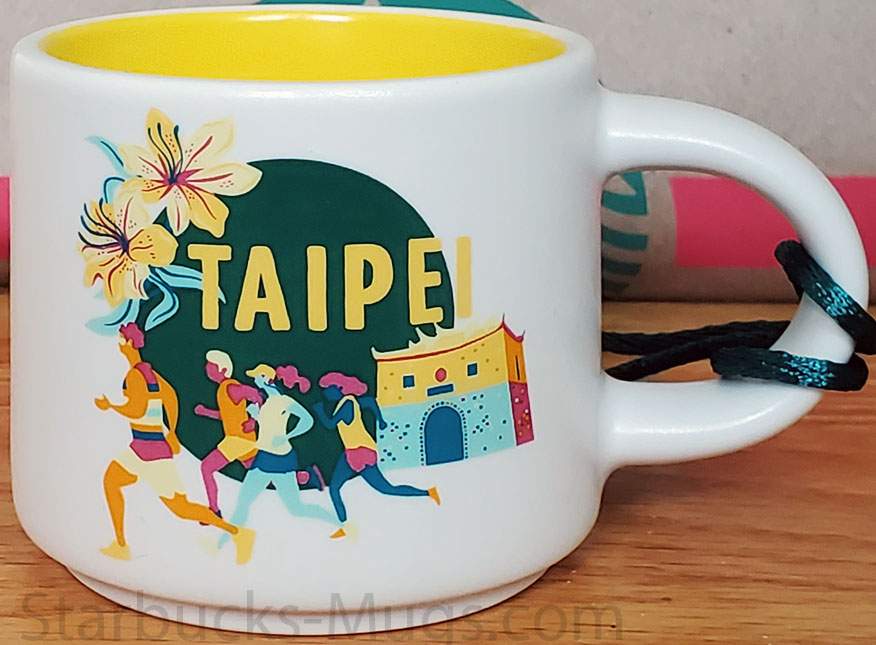
Discovery Series Ornament – Taipei


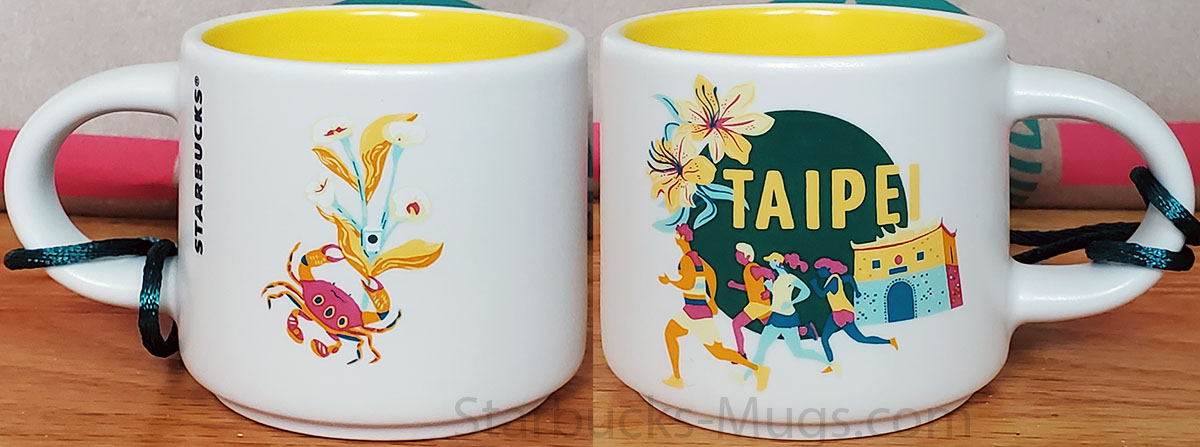
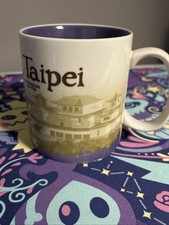
The Starbucks Discovery Series Ornament Taipei focuses on a handful of symbols connected with the city’s culture, major events, landmarks, and food. Taipei developed rapidly during the 20th century into Taiwan’s political, economic, and cultural center, while still preserving historic neighborhoods, temples, museums, parks, and seasonal traditions. The ornament keeps things fairly simple, using just a few recognizable references rather than trying to cover the city too broadly.
Here are some of the landmarks, events, foods, and symbols featured in the design:
– The Taipei Azalea Festival celebrates Taipei’s official city flower each spring. The festival is centered around Daan Forest Park, where azaleas bloom alongside other seasonal flowers and are accompanied by concerts, workshops, and family activities. The annual event has become one of the city’s most recognizable signs of spring.
– The Taipei Marathon is one of the city’s major annual sporting events and attracts runners from Taiwan and abroad. The course passes through central Taipei, giving participants a chance to experience the city from street level while thousands of spectators line the route. The runners shown on the ornament fit naturally with the event’s strong association with the city.
– The National Palace Museum is one of Taipei’s most important cultural institutions. Its present building in Waishuangxi opened in 1965 and was designed in a traditional Chinese palace style, with green tiled roofs and yellow ridges. The museum is best known for its vast collection of Chinese imperial art, including paintings, calligraphy, ceramics, jade, bronzes, and rare books.
– The Wanli Crab is a well-known specialty from the northern coast near Taipei. Wanli and the nearby fishing harbors are especially busy during autumn crab season, when flower crabs, three-spotted crabs, and swimming crabs are brought ashore and served fresh in local restaurants. Although Wanli is technically in New Taipei City rather than Taipei itself, it is a familiar regional food associated with the greater Taipei area and northern Taiwan.