Been There – Antigua Guatemala


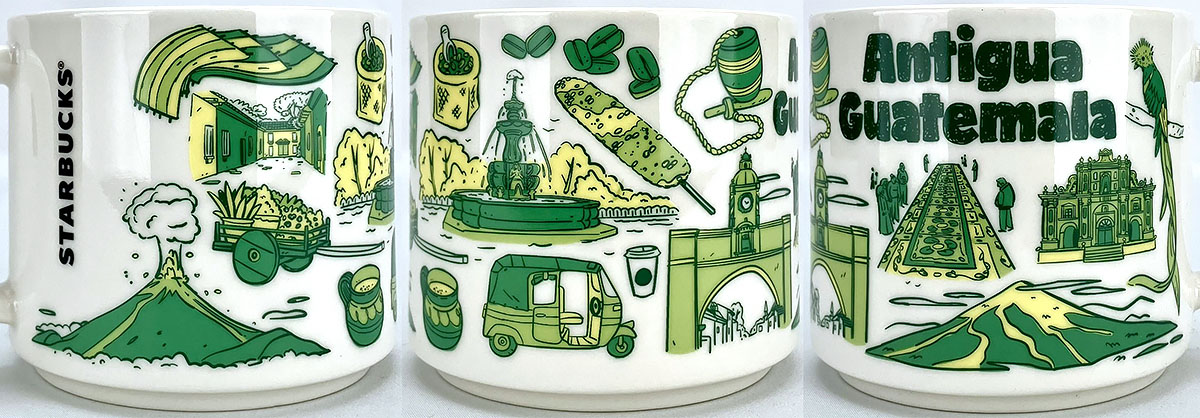
Been There Antigua Guatemala is the second mug from this Central American country known for its rich Mayan heritage, volcanic landscapes, and vibrant colonial cities like Antigua.
Antigua Guatemala, once the capital of the Kingdom of Guatemala, is a city filled with colonial charm and volcanic beauty. Founded in the early 16th century, it was originally named Santiago de los Caballeros and served as a major political and religious center for Spanish colonial rule. In 1773, a devastating earthquake destroyed much of the city, leading to the relocation of the capital to what is now Guatemala City. Despite that, Antigua was rebuilt and preserved, and today it stands as a UNESCO World Heritage Site known for its cobblestone streets, colorful facades, and preserved ruins. The city remains one of the most visited and photographed places in Central America.
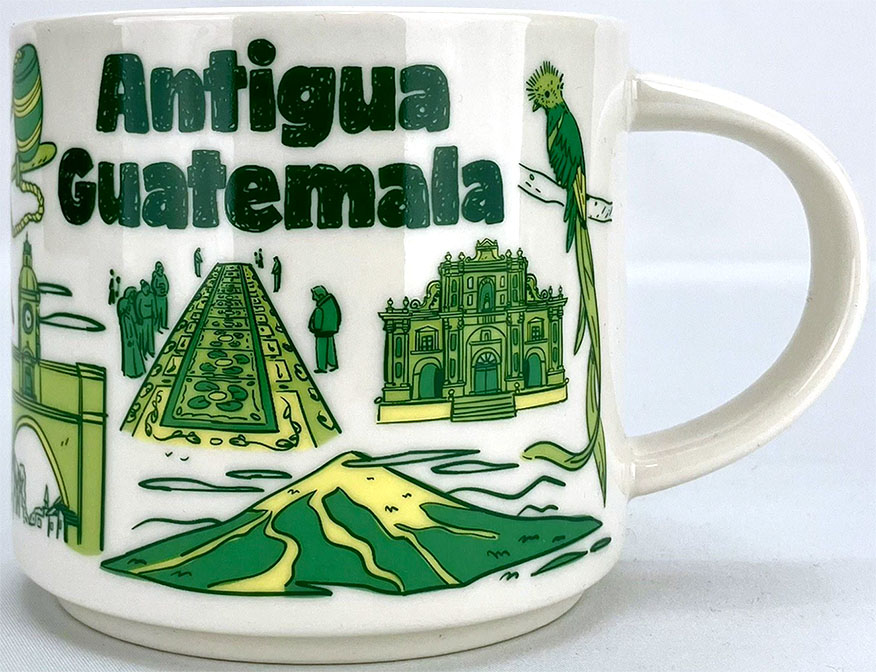
– The Cathedral of San José sits at the heart of Antigua, facing the city’s main square, Parque Central. Originally completed in the 17th century, it was largely destroyed in the 1773 earthquake, but parts of its façade and ruins remain beautifully preserved. Walking through its arches today gives visitors a glimpse into the grandeur that once marked the spiritual life of colonial Guatemala.
– Another symbol of the city, Santa Catalina’s Arch, is perhaps Antigua’s most iconic landmark. Built in the 17th century to connect two parts of a convent, it allowed nuns to cross the street unseen. With the Agua volcano rising perfectly behind it, this yellow arch has become one of the most photographed scenes in all of Guatemala.
– The Fountain of the Sirens, located in Central Park, dates back to the 18th century and reflects both European and local influences. Designed by Diego de Porres, the fountain’s mythical sirens are said to symbolize beauty and life, surrounded by the colonial architecture of the square. It remains a peaceful gathering spot where locals and visitors alike rest and watch the rhythms of city life.
– The three great volcanoes — Agua, Fuego, and Acatenango — dominate Antigua’s landscape and give it its dramatic skyline. Volcán de Agua, with its perfect cone, stands directly behind the city and is visible from nearly every street. To the west, Fuego is one of Central America’s most active volcanoes, often seen puffing smoke or glowing at night. Acatenango, just beside Fuego, is a favorite for hikers who want to see eruptions from a safe distance. Together, these volcanoes define Antigua’s horizon and add both beauty and awe to its everyday life.
– During Holy Week, the streets of Antigua come alive with colorful flower carpets, known as alfombras. These intricate works of art are made from dyed sawdust, petals, pine needles, and other natural materials, carefully arranged to create religious and floral designs. Once the processions pass over them, they’re swept away — a fleeting but stunning expression of devotion and creativity.
– The city’s small three-wheeled taxis, known locally as tuk-tuks, add a splash of color and sound to Antigua’s cobblestone streets. They weave through narrow alleys, providing quick rides for locals and tourists alike. Their presence adds to the city’s charm, combining traditional architecture with modern, everyday life.
– Not seen in the design of the mug, but still worth mentioning are the famous chicken buses. These brightly painted, repurposed American school buses serve as a primary mode of transportation throughout Guatemala. Decorated with bold colors, chrome, and religious symbols, they’re a cultural icon — loud, chaotic, and full of life, just like the spirit of Guatemala itself.
– Antigua Guatemala is one of the most famous coffee-producing regions in the country, celebrated for its rich volcanic soil, high altitude, and consistent climate, which create ideal conditions for growing Arabica coffee. Coffee from Antigua is known for its full body, bright acidity, and complex flavor notes, often featuring hints of chocolate, citrus, and spice.