Been There Ornament – Brisbane


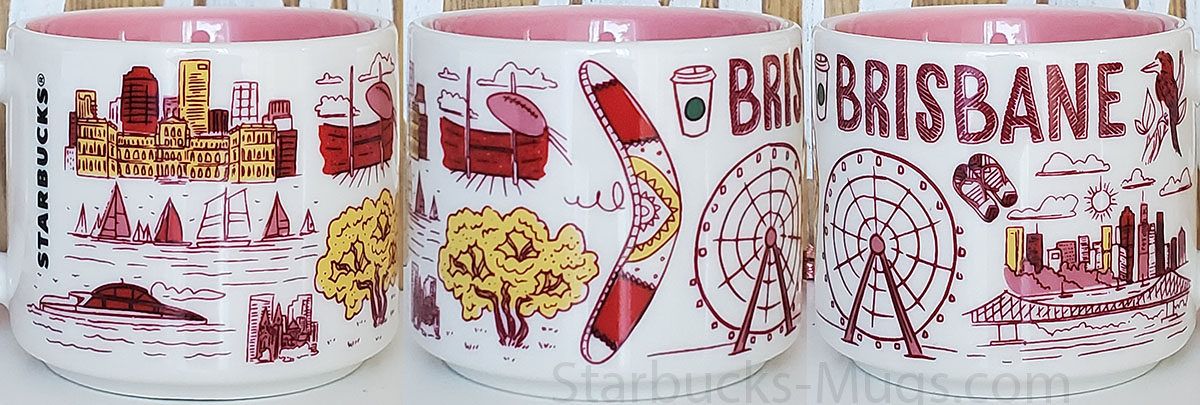
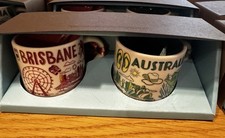
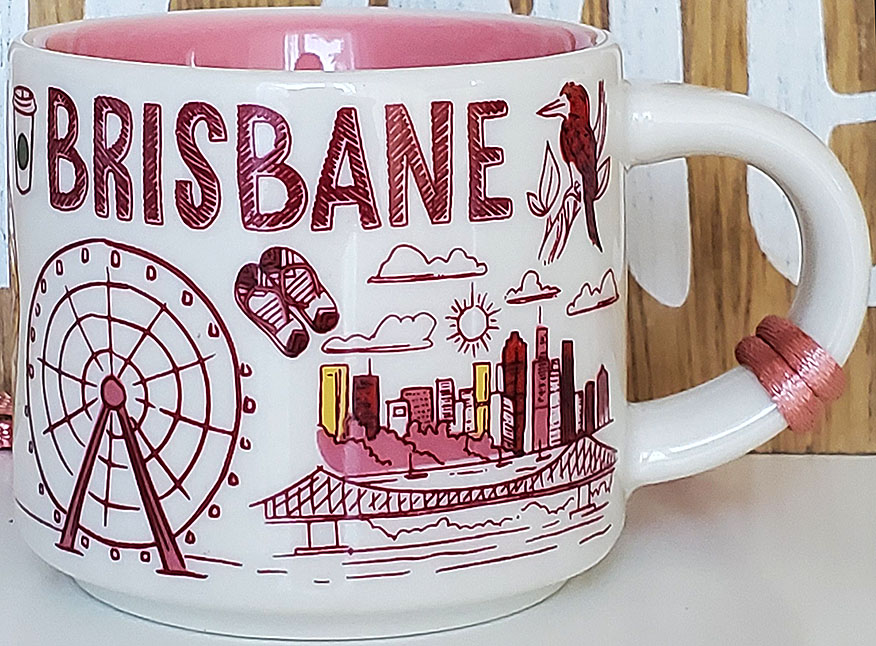
The Been There Ornament Brisbane is almost a complete copy of the mug I added recently.
Brisbane’s history as Queensland’s capital dates back to its founding in 1825 as a penal colony for repeat offenders from Sydney, making it one of Australia’s harshest convict settlements. The settlement opened to free settlers in 1842 and was named after Sir Thomas Brisbane, the governor of New South Wales. Brisbane became the capital when Queensland separated from New South Wales in 1859, evolving from a colonial outpost into a thriving river city. The city hosted the 1982 Commonwealth Games and Expo 88, catalyzing major development, and has since emerged as Australia’s third-largest city and fastest-growing capital, known for its subtropical climate, outdoor lifestyle, and increasingly cosmopolitan character.
– Story Bridge stands as Brisbane’s most iconic landmark, a steel cantilever bridge completed in 1940 that connects the northern and southern suburbs across the Brisbane River. The bridge offers adventurous visitors the chance to climb its structure for panoramic city views, similar to Sydney’s Harbor Bridge. This engineering marvel represents Brisbane’s growth and ambition while serving as a beloved symbol recognizable across Australia.
– The Brisbane Wheel at South Bank rises 60 meters above the parklands, offering stunning 360-degree views of the city skyline, river, and surrounding mountains. This modern observation wheel has become a popular attraction since opening, providing a unique perspective on Brisbane’s layout and beauty. The wheel symbolizes South Bank’s transformation from industrial Expo 88 site into a vibrant entertainment and cultural precinct.
– South Bank Parklands transformed from the 1988 World Expo site into Brisbane’s premier cultural and recreational destination featuring museums, galleries, restaurants, and the popular Streets Beach artificial lagoon. This 17-hectare riverside park brings together locals and visitors with its lush gardens, walking paths, and weekend markets. South Bank represents Brisbane’s commitment to public spaces and outdoor living that defines the Queensland lifestyle.
– The jacaranda trees bloom spectacularly across Brisbane each October and November, covering streets and parks in purple blossoms that signal exam season for university students. These South American imports have become synonymous with Brisbane’s subtropical character and the arrival of warm weather. The jacaranda’s vibrant display represents the city’s lush, garden-like quality and its embrace of nature within the urban environment.
– Sailboats on the bay reflect Brisbane’s strong maritime culture and the city’s access to Moreton Bay, one of Australia’s premier sailing destinations. The bay’s protected waters and consistent breezes attract sailors year-round, from casual weekend sailors to competitive racing crews. This sailing culture connects Brisbane to its coastal Queensland identity and the outdoor recreation that defines life in the sunshine state.
– The Queensland Museum and cultural institutions clustered in South Bank preserve and celebrate the state’s natural history, indigenous heritage, and scientific achievements. From dinosaur fossils to indigenous artifacts and interactive science exhibits, these institutions educate and inspire visitors of all ages. Brisbane’s museums represent the city’s intellectual curiosity and commitment to understanding Queensland’s unique environment and cultural heritage.