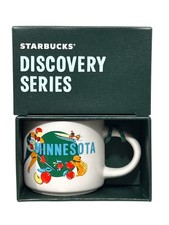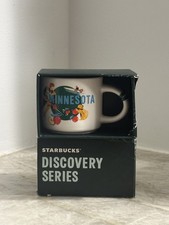
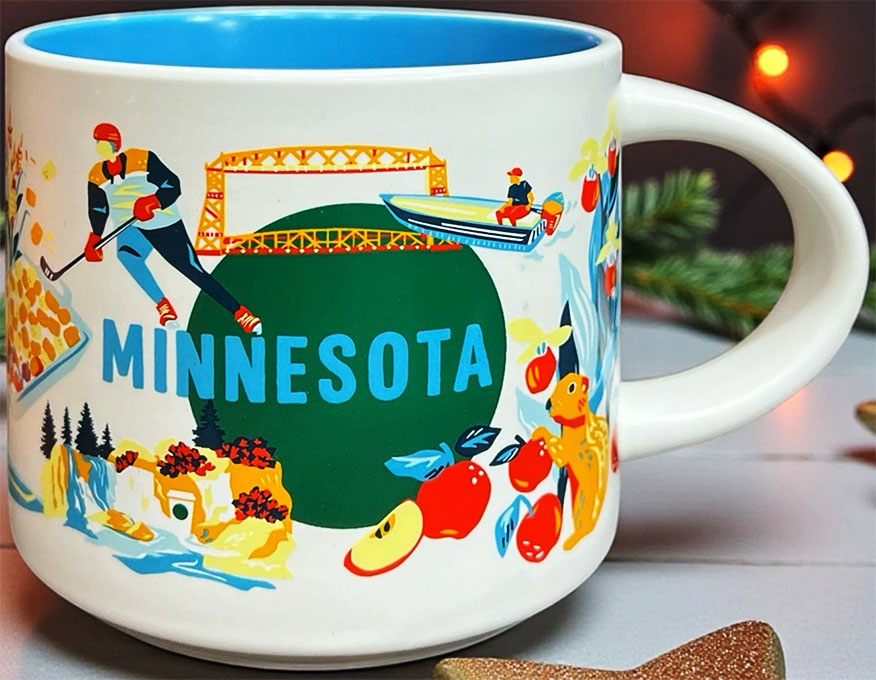
Discovery Series – Minnesota


Discovery Series Minnesota is a mug for a state that became part of the United States on May 11, 1858, carved from territories shaped by Ojibwe and Dakota indigenous nations before European settlement. French fur traders arrived in the 17th century, followed by waves of Scandinavian and German immigrants in the late 1800s who established farms and communities across the prairies and forests. The state’s economy flourished through lumber, flour milling powered by St. Anthony Falls, and iron ore mining from the Mesabi Range that fueled American industry through two world wars. Today, Minnesota balances its agricultural and industrial heritage with a modern economy centered in the Twin Cities while maintaining its reputation for natural beauty, outdoor recreation, and distinctively friendly Midwestern culture.
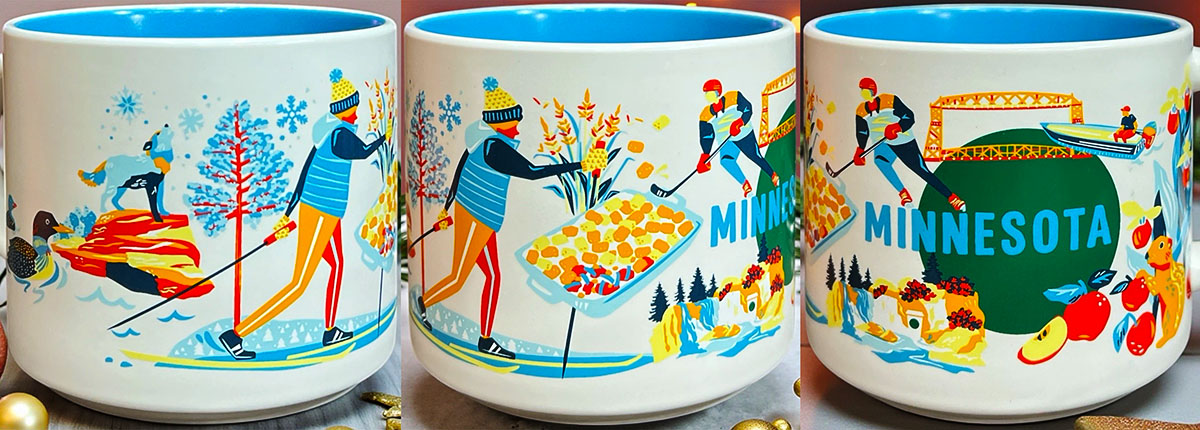
– Hockey defines Minnesota’s sporting culture more than any other activity, with youth leagues producing more NHL players per capita than anywhere else in America. High school tournaments draw massive crowds while college rivalries between the University of Minnesota and regional schools ignite passionate fan bases. Hockey represents Minnesota’s embrace of winter and the community bonds formed on frozen rinks across the state.
– Honeycrisp apples revolutionized the apple industry after University of Minnesota researchers developed this exceptionally crisp and sweet variety, releasing it in 1991. This breakthrough apple became one of America’s most popular and profitable varieties, grown in orchards worldwide. The Honeycrisp represents Minnesota’s agricultural innovation and contributions to food science that have impacted global farming.
– High Falls plunges 120 feet along the Pigeon River at the Canadian border in Grand Portage State Park, making it Minnesota’s tallest waterfall. This spectacular cascade on the historic fur trade route demonstrates the raw power of northern Minnesota’s wilderness. High Falls represents the state’s rugged natural beauty and pristine wilderness covering much of the northern region.
– Common Loons grace Minnesota’s northern lakes each summer with their distinctive black and white checkered plumage and haunting, yodel-like calls echoing across waters. These aquatic birds have become synonymous with wilderness and pristine lake country throughout the state. The loon symbolizes Minnesota’s natural beauty and the tranquil waters that define much of the landscape.
– Fishing draws Minnesotans to the state’s 11,842 lakes year-round, pursuing walleye, northern pike, and bass in waters ranging from small ponds to vast Lake Superior. Ice fishing transforms frozen lakes into winter communities with thousands of fishing houses dotting the landscape each season. Fishing represents Minnesota’s outdoor lifestyle and the deep connection between residents and abundant waters.
– Duluth’s Aerial Lift Bridge stands as an iconic engineering marvel, raising its 900-ton span to allow ships passage into Duluth harbor on Lake Superior. Built in 1905 and converted to a vertical lift bridge in 1930, this structure draws spectators who gather to watch massive freighters pass beneath. The bridge symbolizes Duluth’s maritime heritage and Minnesota’s connection to the Great Lakes shipping industry.
– Tater tot hotdish is Minnesota’s beloved comfort food casserole, combining ground beef, cream of mushroom soup, vegetables, and a crispy tater tot topping. This quintessentially Minnesotan dish (never called “casserole” by locals) appears at church suppers, potlucks, and family dinners across the state. Tater tot hotdish represents Minnesota’s humble, practical approach to cooking and the communal food traditions that bring neighbors together.
– Red pines serve as Minnesota’s state tree, towering throughout northern forests with their distinctive reddish bark and paired needles defining the North Woods landscape. These native conifers thrive in Minnesota’s climate and provide crucial habitat for wildlife while supporting the state’s timber industry. As the official state tree, the red pine represents Minnesota’s vast forest resources and the wilderness character of the northern regions.
– Wild rice holds the distinction of being Minnesota’s state grain, growing naturally in shallow lakes and rivers where Native American communities harvest it using traditional methods passed down for generations. This aquatic grain, known as “manoomin” by the Ojibwe, holds deep cultural significance and remains a vital traditional food and commercial crop. As the state grain, wild rice represents Minnesota’s indigenous heritage and the natural bounty of the state’s waterways.