Discovery Series – Rio de Janeiro


The Starbucks Discovery Series Rio de Janeiro captures the energy, history, and unmistakable scenery of one of Brazil’s most famous cities. Founded in 1565 by the Portuguese, Rio de Janeiro served as the capital of Brazil for nearly two centuries and remains one of the country’s cultural icons. From its world-famous beaches and colonial architecture to its vibrant festivals and tropical landscapes, Rio offers an experience unlike anywhere else. The mug brings together many of the landmarks and traditions that define the “Cidade Maravilhosa” — the Marvellous City.
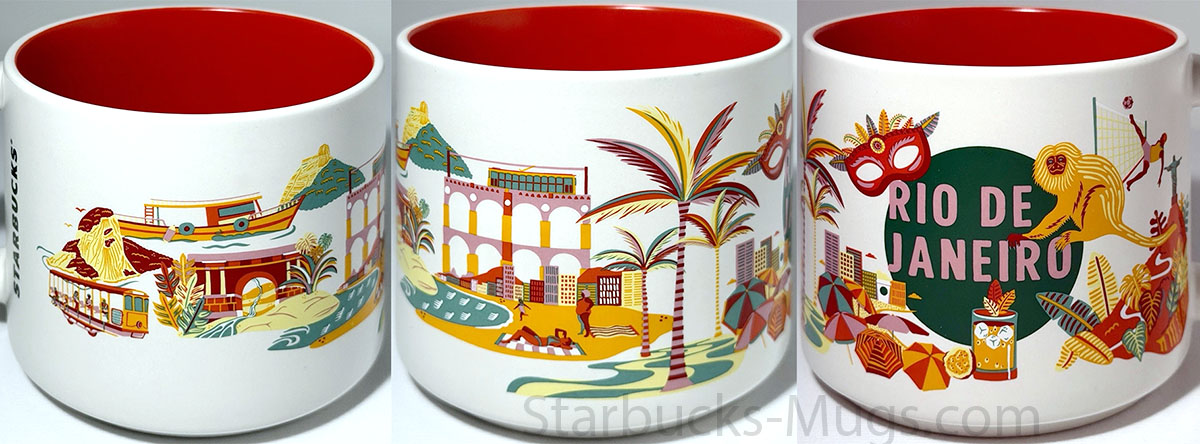
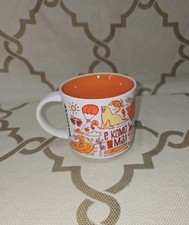
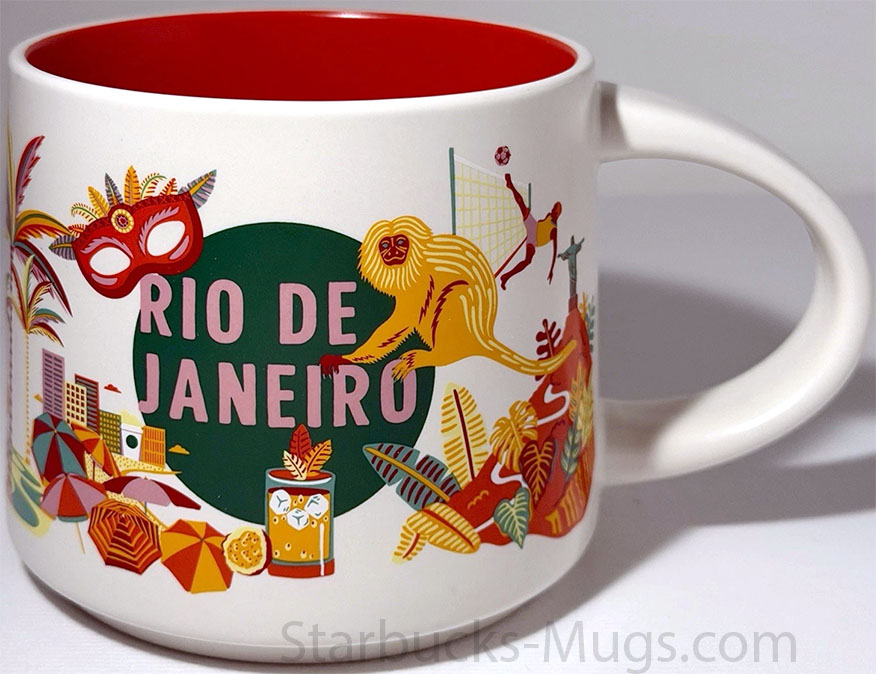
– Sugarloaf Mountain rises behind the traditional fishing boat on the left side of the mug. Towering nearly 1,300 feet above Guanabara Bay, this granite peak has become one of Rio’s most recognizable landmarks. Visitors reach the summit aboard the famous cable cars, where panoramic views stretch across the city, the Atlantic Ocean, and neighboring mountains.
– Christ the Redeemer is a monumental Art Deco statue of Jesus Christ that stands atop Corcovado Mountain, overlooking the city from a height of about 2,300 feet. Completed in 1931, the statue was designed by Brazilian engineer Heitor da Silva Costa, with French sculptor Paul Landowski shaping its face and outstretched arms, which span about 92 feet and form one of the world’s most recognizable silhouettes. Standing roughly 98 feet tall (125 feet including its pedestal), it’s built from reinforced concrete and soapstone and was named one of the New Seven Wonders of the World in 2007.
– The Santa Teresa Tram, affectionately known as the “Bondinho,” appears below Sugarloaf Mountain. Operating since the late nineteenth century, it is one of the oldest electric streetcars in the world and remains an important symbol of Rio. The bright yellow tram climbs through the historic Santa Teresa neighborhood, offering a charming journey past colorful streets, colonial buildings, and local cafés.
– The Arcos da Lapa occupies the center of the design. Originally constructed in the eighteenth century as an aqueduct, the impressive white arches were later converted to carry the Santa Teresa Tram across the city. Today they stand as one of Rio’s best-known historic monuments and the centerpiece of the lively Lapa district, famous for its music and nightlife.
– Copacabana Beach stretches across the foreground beneath the palm trees. Its wide sandy shoreline, lined with the famous wave-pattern promenade, has become synonymous with Rio de Janeiro itself. Whether relaxing under colorful umbrellas, playing beach volleyball, or simply enjoying the ocean breeze, Copacabana remains one of the city’s most iconic destinations.
– Carnival is represented by the colorful masquerade mask above the city name. Every year, Rio hosts the world’s largest Carnival celebration, attracting millions of visitors who come to experience spectacular samba parades, elaborate costumes, and vibrant street parties. The festival has become one of Brazil’s defining cultural traditions and is inseparable from the city’s identity.
– The golden lion tamarin leaps across the right side of the mug. Native to Brazil’s Atlantic Forest, this endangered primate is recognized for its striking golden-orange fur and expressive appearance. Conservation programs have helped stabilize its population, making it both a symbol of Brazil’s remarkable biodiversity and the importance of protecting its remaining forests.
– Caipirinha, Brazil’s national cocktail, appears at the bottom of the design beside slices of fresh citrus. Made with cachaça, lime, sugar, and ice, it has become one of the country’s best-known drinks. Whether enjoyed at a beachside kiosk or a neighborhood bar, a caipirinha is often part of the Rio experience.
– Beach sports are represented by the volleyball net near the handle. Rio’s beaches serve as outdoor playgrounds where volleyball, beach soccer, footvolley, and surfing are part of everyday life. The city’s warm climate and outdoor culture make its shoreline one of the world’s most active and social urban beaches.