Discovery Series – Panamá


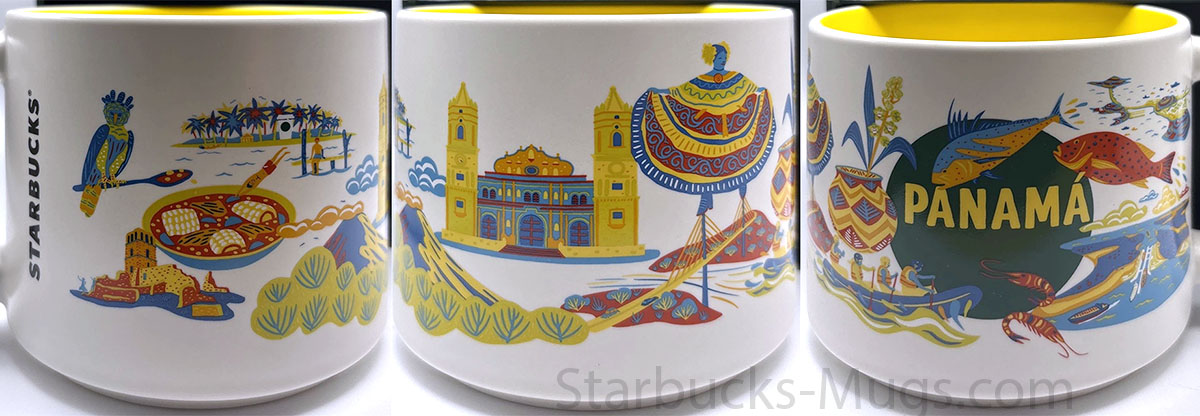
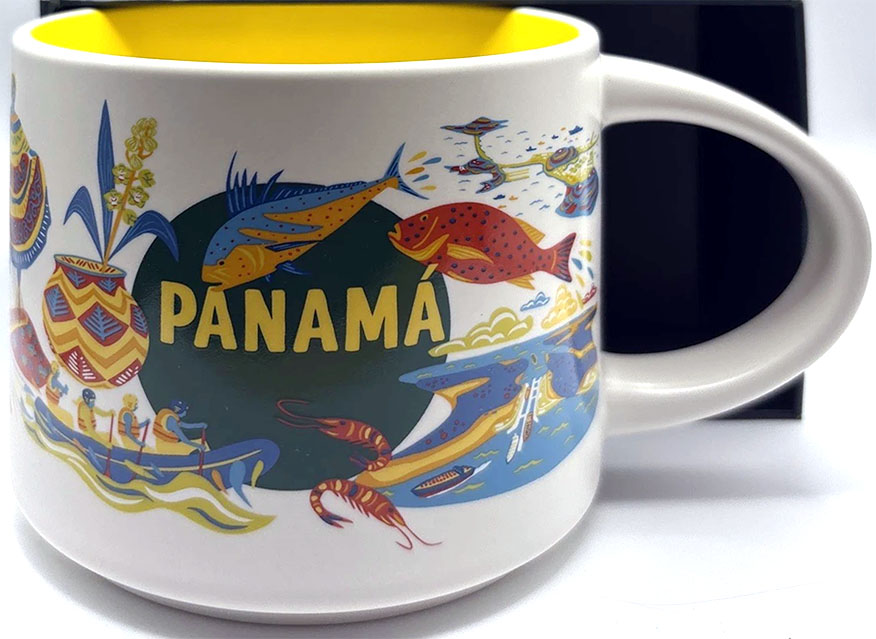
The Starbucks Discovery Series Panamá is a mug for a country uniquely positioned between two continents and two oceans, making it one of the most strategically important locations in the world. Best known for the Panama Canal, the country combines engineering achievements, colonial history, tropical biodiversity, and dramatic landscapes. The Starbucks mug design captures many of these defining elements through a collection of landmarks, cultural symbols, and natural attractions that showcase Panama’s rich heritage and geographic diversity.
Featured throughout the design are several landmarks and symbols closely associated with Panama.
– The Panama Canal is one of the country’s most famous landmarks and a centerpiece of the design. Opened in 1914 after more than a decade of construction, the canal transformed global shipping by creating a shortcut between the Atlantic and Pacific Oceans. Today, thousands of vessels pass through its locks every year, making it one of the most important trade routes in the world.
– Sea biodiversity is represented through the marine life featured on the mug. Thanks to its location between two oceans, Panama is home to an extraordinary variety of marine ecosystems, including coral reefs, mangroves, whale migration routes, sea turtles, dolphins, and hundreds of fish species. Both the Caribbean and Pacific coasts offer excellent opportunities for snorkeling, diving, and wildlife viewing.
– The Cathedral Basilica Santa María la Antigua de Panamá stands as one of the architectural highlights of Casco Viejo, Panama City’s historic district. Completed in the late 18th century, the cathedral is known for its elegant twin bell towers and prominent location overlooking the city’s colonial-era streets. It remains one of the most important religious and historical landmarks in the country.
– Panamá Viejo recalls the original site of Panama City, founded by the Spanish in 1519. The settlement became an important hub for trade between the Americas and Europe before being destroyed by the pirate Henry Morgan in 1671. Today, the preserved ruins and stone tower are among Panama’s most significant archaeological and historical attractions.
– The pollera is represented through the traditional costume featured on the mug. Considered Panama’s national dress, the pollera consists of an elaborate embroidered skirt and blouse ensemble often accompanied by intricate jewelry and decorative hair ornaments. It remains an important symbol of Panamanian culture and is proudly worn during festivals and national celebrations.
– Volcán Barú is the highest mountain in Panama, rising to 11,401 feet above sea level. On exceptionally clear mornings, visitors reaching the summit can see both the Pacific Ocean and the Caribbean Sea, a rare phenomenon found in only a few places in the world. The volcano is also a popular destination for hiking and wildlife observation.
– Centennial Bridge spans the Panama Canal north of the historic canal crossings. Opened in 2004 to commemorate 100 years of Panamanian independence, the bridge carries the Pan-American Highway across the canal and has become one of the country’s most recognizable modern engineering landmarks.
– Sancocho de Gallina represents Panama’s traditional cuisine. This hearty chicken soup is typically prepared with chicken, yuca, onions, cilantro, and regional seasonings, creating a simple but flavorful dish enjoyed throughout the country. Often considered Panama’s national dish, sancocho is a staple at family gatherings, celebrations, and everyday meals.